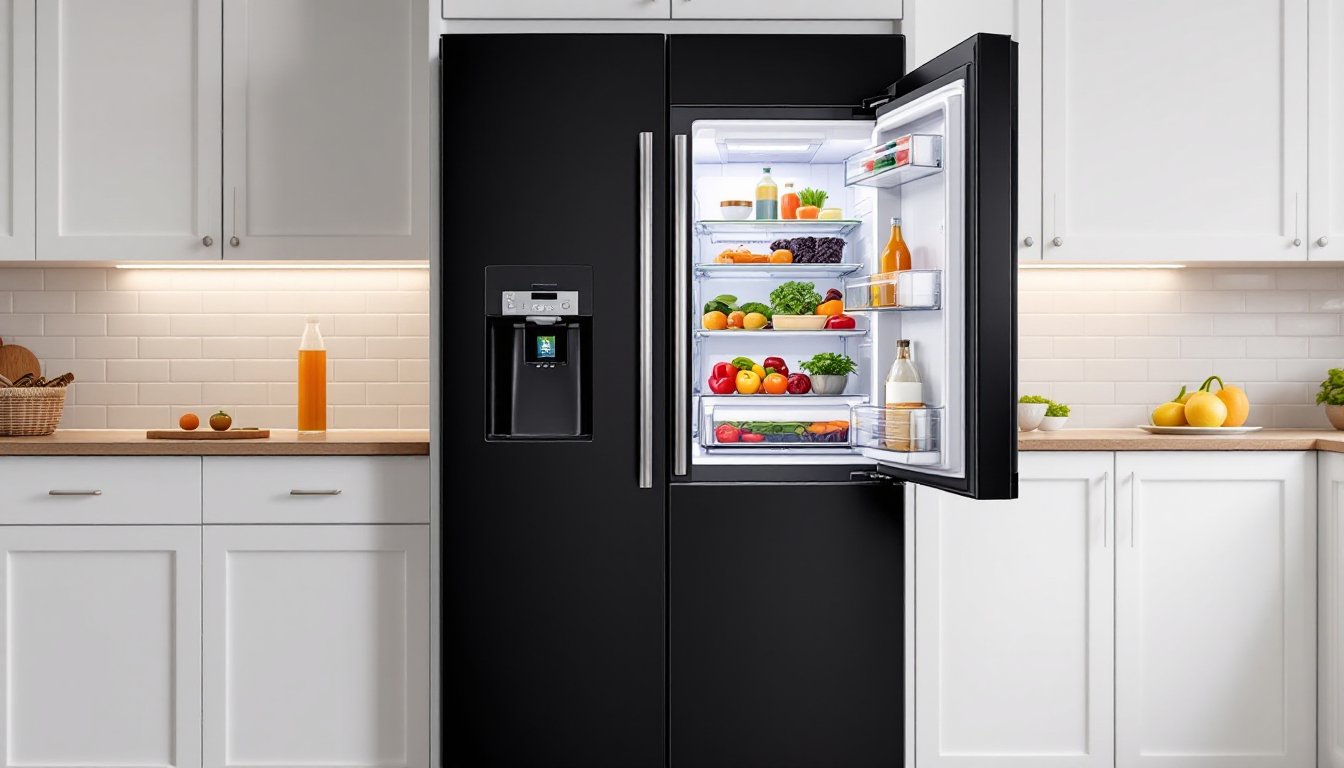
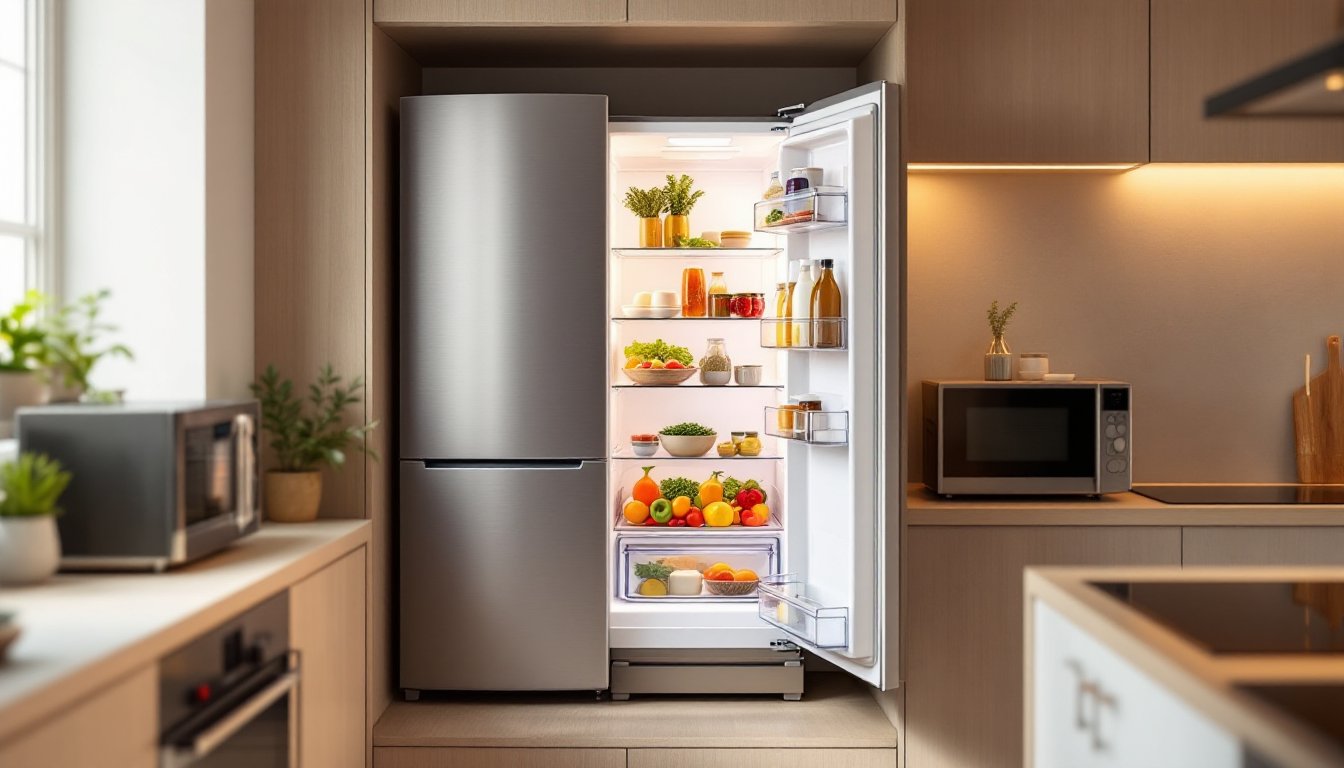
If you’re struggling with limited kitchen space or need extra cold storage without the freezer bulk, a small refrigerator without a freezer might be exactly what you’re looking for. Unlike traditional combo units, a freezer-free fridge gives you dedicated space for fresh groceries, vegetables, beverages, deli items, and leftovers, without wasting room on frozen storage you don’t need. Whether you’re outfitting a tiny apartment, adding a beverage cooler to a home office, or maximizing a remodeled kitchen with limited square footage, these compact units have become increasingly popular among homeowners and renters alike. Today’s market offers plenty of options that combine smart design with energy efficiency, making it easier than ever to find the right fit for your space and lifestyle.
Table of Contents
ToggleKey Takeaways
- A small refrigerator without freezer maximizes fresh food storage in limited spaces while reducing energy consumption and operating costs compared to traditional combo units.
- Choose compact models with adjustable shelves, LED lighting, Energy Star certification, and digital temperature controls between 35–50°F for optimal performance and energy efficiency.
- Small refrigerators without freezers excel as secondary cooling stations in home offices, bedrooms, basements, and kitchenettes, offering flexible placement that traditional full-size units cannot provide.
- Maintain your compact fridge by cleaning condenser coils every 6 months, checking door seals monthly, avoiding overstuffing, and ensuring the unit stays level to extend its 5–10 year lifespan.
Why Choose A Freezer-Free Refrigerator For Your Home
A freezer-free refrigerator strips away unnecessary complexity and gives you pure refrigeration where you need it most. If you have a separate freezer elsewhere, in a basement unit, full-size fridge, or standalone appliance, a dedicated cooling unit makes sense. You avoid the constant trade-off of splitting precious interior volume between two functions.
The practical advantage is straightforward: every inch of shelf space holds fresh food. No frost buildup on freezer walls, no defrosting cycles interrupting your day, and no temperature fluctuations from the freezer cycling on and off. For households that rarely freeze much or prefer a separate deep freezer, this setup eliminates waste and keeps your daily-use items at exactly the temperature you want them.
These units also run quieter than combo models. Without a freezer compartment consuming energy and generating noise, they operate more smoothly and often cost less to run over time. If energy costs matter to your household budget, and they should, a mini refrigerator without freezer capability can trim your utility bills noticeably.
Space-Saving Benefits For Compact Kitchens
Compact kitchens are where freezer-free models shine. A standard full-size refrigerator with freezer takes up roughly 30″ wide by 66–70″ tall. A small refrigerator without freezer might occupy just 18–24″ wide by 32–40″ tall. That’s a game changer for apartments, tiny homes, dorm rooms, or any space where every square foot counts.
Think about placement flexibility, too. Without the bulk of a traditional fridge, you can tuck a compact unit under a counter, slide it into a gap next to cabinetry, or even fit one in a bedroom, office, or bonus room. This flexibility is why designers and homeowners frequently use mini refrigerators without freezers as secondary cooling stations, beverage centers, or ingredient staging areas. You’re not locked into one kitchen location: you choose where cold storage makes sense for your workflow.
Key Features To Look For In A Compact Refrigerator
Not all small fridges are built alike. Before you buy, understand what specs and features actually matter for your situation.
Capacity And Storage Configuration Options
Capacity in mini fridges ranges from about 1.6 cubic feet (very small bar-style units) up to 4.5 cubic feet (upper-end compact models). For a single person or as an add-on cooler, 2–3 cubic feet works well. For a family or if it’s your primary fridge, aim for 3.5–4.5 cubic feet.
Look at shelf layout too. Adjustable shelves offer flexibility, you can raise or lower them to fit tall bottles, sheet pans of leftovers, or stacks of containers. Some units come with a crisper drawer for vegetables or a dedicated bottle rack. A few models include a small ice-cube tray compartment at the top (don’t expect real freezing capability, just chilling). Check the door: does it hold standard beverage bottles? Do the compartments fit your weekly shopping habits?
Internal lighting matters more than you’d think. LED bulbs (versus older incandescent) consume less power and last longer. A light that comes on when you open the door helps you find items quickly, reducing the time the unit runs with the door open, which costs energy.
Energy Efficiency And Temperature Control
Look for the Energy Star label. Certified units use 20–30% less energy than standard models, which adds up over a year. Check the annual energy consumption listed on the yellow EnergyGuide label, usually between 200–400 kWh annually for compact models. Lower is better.
Temperature control should be adjustable. A simple dial or digital thermostat lets you set it anywhere from 35°F to 50°F (roughly). This flexibility is crucial: if you’re storing beverage cans, you might prefer 38°F: if it’s an ingredient cooler, 40°F is ideal. Digital controls with a display are easier to read and adjust than unmarked dials, though dials are simpler and rarely fail.
Noise level is worth researching. Quieter units (under 40 decibels) won’t hum loudly in a bedroom or office. Check manufacturer specs or read owner reviews, they’ll tell you if a unit sounds like a small fan or a small airplane. Ventilation also affects noise: models with ventilation on the sides or back need breathing room and shouldn’t be crammed into a tight corner. Check the manual for clearance requirements (usually 1–2 inches on sides and back).
Popular Placement Ideas For Small Refrigerators
The beauty of a compact, freezer-free unit is flexibility. Here’s where homeowners and DIY enthusiasts are putting them.
Home offices and studios benefit from a fridge nearby, lunch, snacks, and cold water without leaving your workspace. Mount one under a desk or in a corner cabinet. A 2-3 cubic foot model stays out of sight but stays within arm’s reach.
Beverage stations are huge. Set a mini fridge in a finished basement, wet bar, or game room stocked with drinks. No ice-maker noise, just cold storage for cans and bottles. Pair it with a small counter and you’ve got a functional bar area.
Bedrooms and guest rooms might sound odd, but a small fridge is perfect for keeping water, medications (that need chilling), or snacks without midnight trips downstairs. It’s quieter than a full-size unit and takes minimal space.
Garage workshops and studios often need cold beverages and lunch storage. A fridge rated for uninsulated spaces (some are) handles temperature swings better than standard units.
Kitchenette setups in accessory dwelling units, pool houses, or studio apartments depend on compact fridges. Pairing a small fridge with a hot plate or induction burner and a microwave creates a functional kitchenette in minimal square footage. Resources like The Kitchn offer smart ideas for maximizing tiny kitchens, and sites such as Apartment Therapy showcase real solutions for small-space living.
Kitchen add-ons for specific needs are increasingly common. Some households keep a mini refrigerator without freezer stocked just for fresh herbs, dairy, or meal-prep containers. Others use one as a dedicated beverage cooler next to their main fridge. The modular approach means you’re not limited to one cooling appliance.
Maintenance Tips To Keep Your Unit Running Smoothly
A well-maintained compact fridge lasts 5–10 years and runs more efficiently throughout its life.
Clean the condenser coils every 6 months (or more if you have pets or dusty space). Condenser coils sit on the back or underneath your unit and release heat. When dust clogs them, the fridge works harder, consumes more energy, and may overheat. Unplug the unit, locate the coils, and gently brush them with a soft brush or vacuum with a brush attachment. This single task can extend fridge life by years.
Wipe door seals monthly with mild soap and warm water. The rubber gasket around the door edge keeps cold air in. If it’s cracked, clogged with debris, or pulls away from the frame, cold air leaks out and your fridge cycles constantly, running up your electric bill. A clean, supple seal is essential.
Don’t block air vents inside the cabinet. Air must circulate freely around stored items. Avoid packing the fridge wall-to-wall: leave a little space. This is especially important with compact units where every inch counts, overstuffing restricts airflow and creates warm spots.
Keep the fridge level. Most compact units have adjustable front feet. Use a level to ensure the unit sits truly horizontal. A tilted fridge may not seal properly or drain condensation correctly.
Defrost if needed (models without automatic defrost). Older compact fridges sometimes have manual-defrost sections. If frost builds up more than ¼-inch thick, unplug, let it thaw, and wipe the interior. Frost is an insulator and forces the fridge to work harder. Check the manual, modern units usually handle this automatically.
Check and replace door seals if damaged. If you notice the seal cracking, no longer holding magnetically, or feeling loose, replacement kits are inexpensive and available online. It’s a quick fix that pays for itself in energy savings. For comprehensive guidance on mini-fridge selection and performance, Good Housekeeping’s testing of best mini fridges provides real-world evaluations of top compact models.
Vacuum underneath annually if your unit has exposed coils on the bottom. Dust restricts cooling efficiency just like clogged back coils. A quick vacuum keeps airflow clear and your fridge happy.