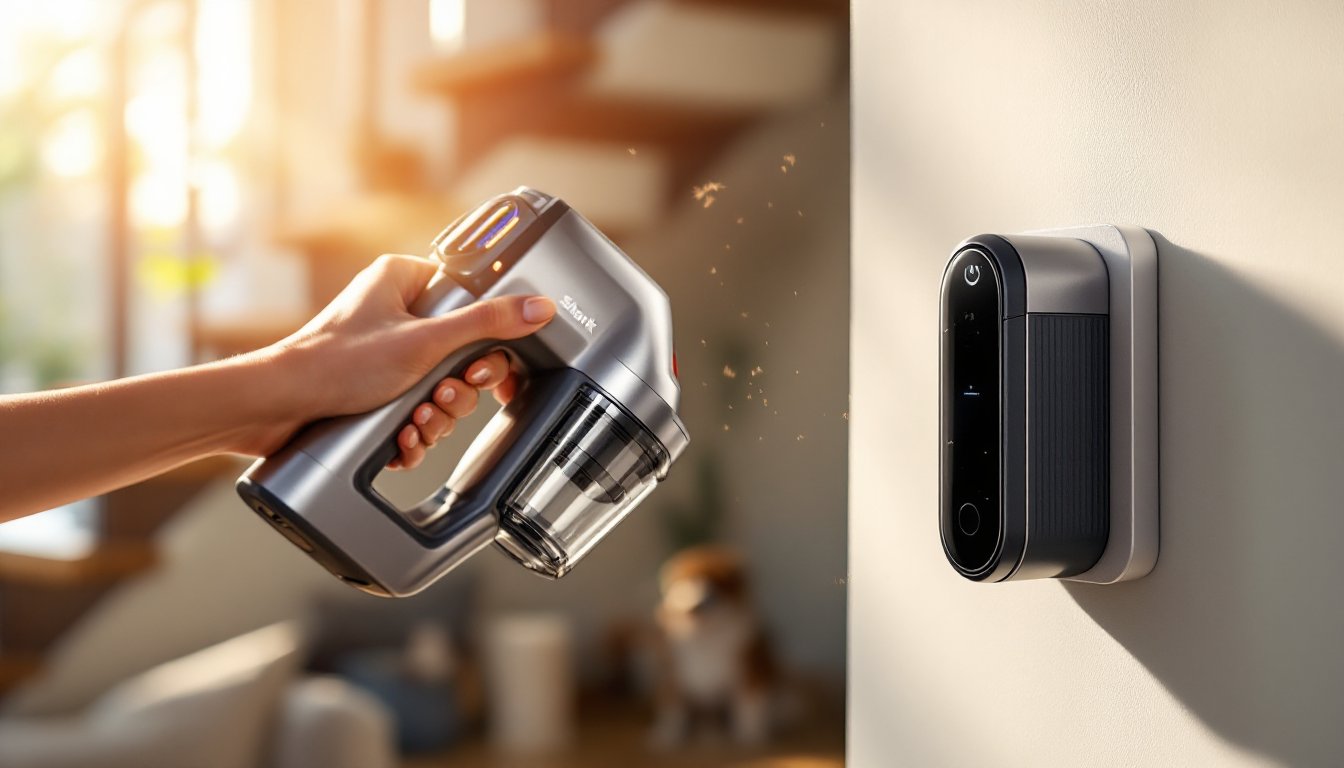
A handheld vacuum isn’t a luxury, it’s the tool that saves you from hauling out the full-size machine to grab cookie crumbs off the couch or dust from kitchen shelves. The Shark Cyclone handheld vacuum has become a trusted workhorse for homeowners and DIYers who need quick, powerful cleanup without the mess of a dustpan. Whether you’re tackling car interiors, stairs, or tight corners, this compact machine delivers serious suction in a grab-and-go package. In this guide, we’ll walk you through everything you need to know: what makes the Shark Cyclone stand out, when to use it, how to keep it running smoothly, and how it stacks up against the competition.
Table of Contents
ToggleKey Takeaways
- The Shark Cyclone handheld vacuum uses cyclone technology to maintain consistent suction by separating dirt and dust through centrifugal force, delivering 100–150 air watts of power in a lightweight 3–5 pound package.
- With cordless convenience and battery runtimes of 20–40 minutes, the Shark Cyclone excels at quick cleanups on stairs, car interiors, furniture, and hard-to-reach areas where hauling a full-size vacuum is impractical.
- HEPA-type filtration traps 99.97% of particles 0.3 microns or larger, making it ideal for homeowners with allergies, though filters require weekly rinsing to maintain peak suction performance.
- The Shark Cyclone costs $200–$450 and offers superior value compared to premium brands like Dyson while delivering reliable cyclone performance backed by solid battery life and multiple attachments.
- Minimal maintenance—including weekly filter rinsing, emptying the dust cup after each use, and proper battery storage on the charging dock—keeps the handheld running smoothly for years.
- The Shark Cyclone works best as a supplement to your main vacuum for spot cleaning and quick jobs, not as a replacement for whole-room carpet cleaning or sustained deep cleaning tasks.
What Is A Shark Cyclone Handheld Vacuum?
The Shark Cyclone handheld vacuum is a cordless, lightweight cleaning tool designed for quick spot cleanups and portable jobs around the home. Unlike full-size upright or canister vacuums, it’s built to grab dust, crumbs, and debris from hard-to-reach places without requiring an electrical outlet or long extension cord. The “cyclone” technology refers to the spinning air vortex inside the machine, it creates powerful centrifugal force to separate dirt from air, which is why it maintains consistent suction even as the dust cup fills.
Most Shark Cyclone models weigh between 3 and 5 pounds, making them easy to hold overhead for ceiling fans or wall shelves. The cordless design means you’re limited by battery runtime (typically 20–40 minutes per charge), but for the jobs a handheld is meant for, stairs, car interiors, baseboards, that’s plenty. The dust cup empties with a simple push of a button, and cleanup is fast: tap it over a trash bin and you’re done.
Key Features and Performance Capabilities
Most Shark Cyclone models pack features that rival heavier, more expensive machines. You’ll find LED dust indicators that tell you when the filter needs cleaning, wall-mounted charging docks that keep the unit accessible, and multi-stage filtration systems that trap fine dust and allergens. The dust cup capacity typically ranges from 0.5 to 0.9 quarts, small enough to stay light, large enough to avoid constant emptying during a multi-room cleanup session.
Battery life varies by model: some offer 20-minute runtimes on standard settings, while premium versions stretch to 40 minutes with newer lithium-ion batteries. Charging takes 3–5 hours, so keeping it on the dock between uses is key. The real strength is versatility: most Shark Cyclone sets include multiple attachments, a crevice tool for tight gaps, a motorized brush roll for carpets and pet hair, and an upholstery brush for furniture. This makes one machine handle stairs, car seats, couches, and keyboard nooks without needing separate tools.
Suction Power and Cleaning Technology
The cyclone suction technology is where the Shark Cyclone earns its reputation. Instead of relying on a traditional fan alone, the spinning air column naturally separates heavy debris (crumbs, pet hair, dust) from lighter particles and air. This design keeps suction consistent, a big advantage over older handheld models that lose power as the dust cup fills. Real-world performance sits around 100–150 air watts depending on the model, which is solid for spot cleaning and not overpowered enough to waste battery on overkill suction for dust and crumbs.
The multi-stage filter system is crucial. The primary filter (often HEPA-type) traps 99.97% of particles 0.3 microns and larger. For homeowners with allergies or asthma, this means fewer allergens recirculating into the air. Filters need tapping or rinsing every few uses, don’t let them clog, or you’ll kill the suction. Many users make the mistake of ignoring the LED indicator until the machine barely pulls dust: a 30-second rinse of the filter monthly keeps performance consistent.
Best Use Cases for Your Home
The Shark Cyclone shines in specific situations where a full-size vacuum is overkill. Stairs are the classic use case: grab the handheld, run it down the steps in seconds, and you’re done, no dragging a bulky upright or lugging a canister vacuum up and down. Car interiors are another natural fit. The compact size and included nozzles reach under seats, between cushions, and into tight door pockets far better than any full-size machine.
Pet hair cleanup on furniture and spot-cleaning spills are perfect handheld jobs. A quick pass over a couch after the dog shakes off saves you from hauling out the canister vacuum for a minor mess. Baseboards, ceiling fans, and shelving benefit from the lightweight overhead reach, no ladder-balancing act needed.
Where the Shark Cyclone falls short: it’s not designed for whole-room carpet cleaning or sustained deep cleaning of large areas. If you’re vacuuming an entire bedroom, the battery will likely run out before the job is done. It’s also not ideal for long-pile shag carpets where a full-size upright with a motorized brush roll works better. Think of it as a supplement to your main vacuum, not a replacement. The machine excels at the 80% of household cleaning that’s quick, light, or awkwardly placed, and that’s why it’s become a standard tool in DIY and homeowner toolkits.
Maintenance and Care Tips
A Shark Cyclone handheld needs minimal upkeep, but skipping maintenance kills performance faster than anything else. Rinse the primary filter weekly under cool running water, no soap, just water and a gentle squeeze. Let it air-dry completely (at least 2 hours) before reinstalling, or you risk mold growth in the damp filter. Many owners don’t realize that a damp filter installed immediately will restrict airflow and burn out the motor.
Empty the dust cup after every use. It takes 10 seconds and prevents old debris from compacting and blocking airflow. Check the hose and air pathways monthly for clogs, pet hair sometimes wraps around the motorized brush roll or gets stuck in the crevice tool attachment. A simple flashlight inspection catches these before they reduce suction.
Battery care matters. Store the handheld on its dock between uses: lithium-ion batteries prefer consistent charging over deep discharge cycles. If you won’t use the machine for more than a month, charge it fully and leave it off the dock in a cool, dry place. Don’t leave a fully charged battery sitting on the dock unused for weeks, that ages the battery faster.
The motorized brush roll (if your model has one) may need occasional dehairing. Hair wraps around the axle, especially if you’re cleaning pet-heavy furniture. A pair of scissors or a small brush removes tangles in 30 seconds. Finally, inspect the dust cup seal every 6 months. A cracked or loose seal allows dust to escape and reduces suction efficiency. Replacement seals are inexpensive and easy to swap.
Comparison With Other Handheld Options
The handheld vacuum market has exploded, and Shark Cyclone competes directly with brands like Dyson, Black+Decker, and Bissell. Shark and Dyson rank among the top vacuum brands, each with distinct strengths. Dyson models are premium-priced ($400–$750) and offer exceptional runtime (up to 60 minutes) and stylish designs: but, they’re heavier and require more frequent filter maintenance. The Shark Cyclone typically costs $200–$450, offering better value for homeowners who prioritize affordability and performance without the premium brand markup.
Bissell handheld vacuums are often cheaper ($100–$250) but frequently sacrifice suction power and filtration quality. Black+Decker models sit in the middle ($150–$300) with decent performance but lighter-duty construction that doesn’t hold up as well to frequent use. For DIYers and homeowners tackling regular stairs, furniture, and car interiors, the Shark Cyclone hits the sweet spot: reliable cyclone technology, HEPA-type filtration, solid battery life, and a price point that doesn’t require a second mortgage. Real Simple’s home organization tips and cleaning hacks often recommend focusing on tools that solve the most common household tasks efficiently, and the Shark Cyclone delivers on that principle.
One nuance: if you have multiple cats or dogs and heavy pet hair is your main concern, a motorized brush roll is non-negotiable. Not all Shark Cyclone models include a motorized attachment, so check the package contents. Some buyers find they need both a cyclone handheld for quick cleanups and a full-size upright with a motorized brush for deep pet hair removal. The Shark works as the “first responder” vacuum in multi-pet homes.
Conclusion
The Shark Cyclone handheld vacuum is a practical, no-nonsense tool for the jobs that consume disproportionate time and effort with a full-size machine. It won’t replace your main vacuum, but it’ll replace the frustration of dragging one upstairs or wedging it into car corners. Keep the filter clean, charge it regularly, and empty the dust cup, and you’ll have years of reliable service. For homeowners and DIYers, that’s solid value, and that’s what home improvement is really about: tools that work, don’t overpromise, and get the job done.