
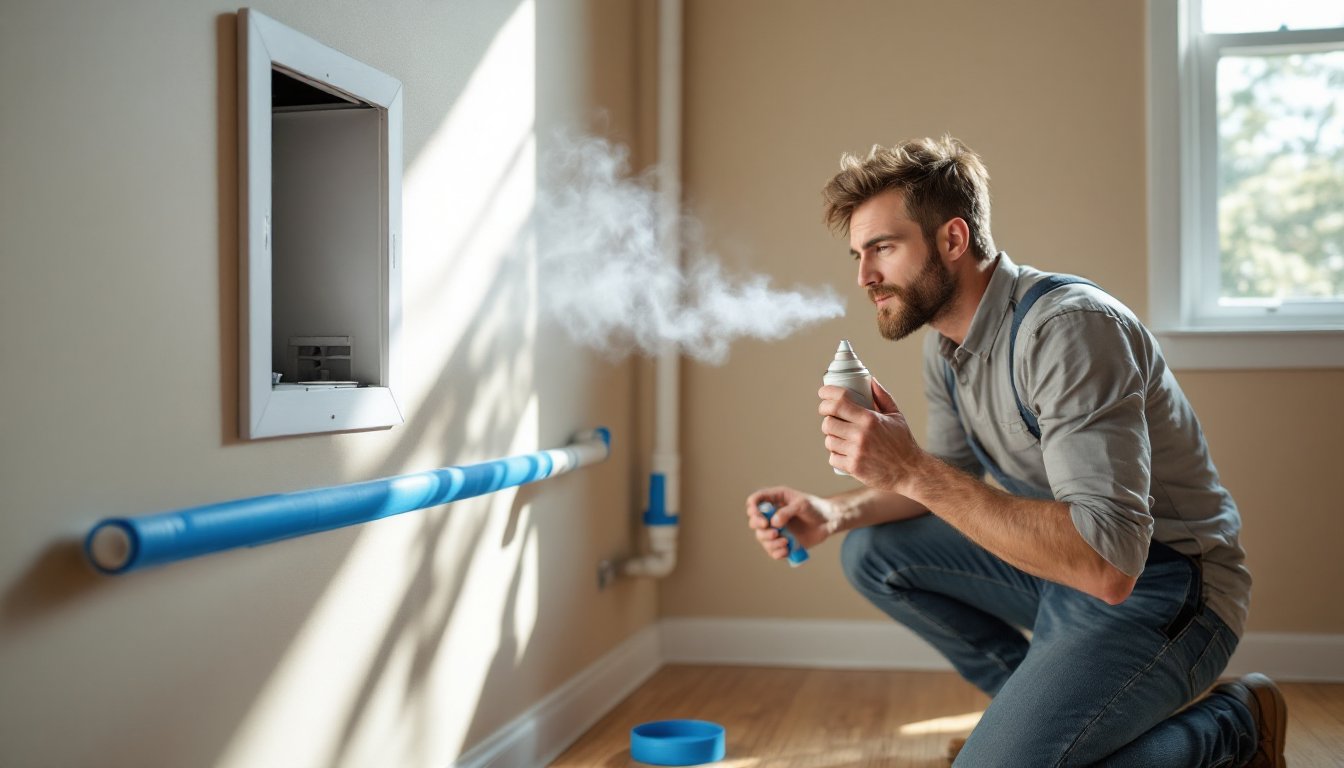
If your home’s central vacuum system isn’t picking up dirt the way it used to, you might be dealing with a vacuum leak. A leak in your home vacuum system undermines suction power, forces the motor to work harder, and eventually shortens equipment life. The good news? Most homeowners can locate and fix leaks themselves without calling a service technician. Whether you’re noticing weak suction or hearing unusual sounds, this guide walks you through identifying problems, testing for leaks, and tackling repairs so your system works like new again.
Table of Contents
ToggleKey Takeaways
- A vacuum leak detector helps homeowners identify air leaks that reduce suction power and force the motor to work harder, leading to potential equipment damage and higher energy costs.
- Visual inspections of pipe joints, hoses, gaskets, and the motor housing combined with simple tools like smoke detectors or soapy water can effectively locate leaks without expensive service calls.
- Common leak locations include flexible hose connections, PVC or metal pipe joints, corroded ductwork, and deteriorated seals around the motor housing and collection container.
- The smoke test, soapy water bubble test, hand feel test, and pressure gauge check are four reliable DIY methods for detecting leaks in a central vacuum system.
- Early detection and repair of vacuum system leaks prevents motor burnout, reduces energy consumption, and maintains consistent suction performance for years to come.
What Is a Vacuum Leak and Why It Matters
A vacuum leak occurs when air enters the system at a point where it shouldn’t, typically after the suction source but before the motor. In a central vacuum setup, the motor creates negative pressure to pull dirt through pipes and into a collection container. When outside air sneaks in through gaps, cracks, or loose connections, it dilutes that negative pressure and dramatically reduces suction power.
Think of it like trying to drink through a straw with a hole in it: even a small gap breaks the seal and makes the whole system inefficient. The motor compensates by running harder, consuming more energy and wearing down faster. Beyond efficiency, unaddressed leaks can eventually cause motor burnout, which is an expensive replacement. Catching and fixing leaks early keeps your system running smoothly and saves repair costs down the road.
Common Signs Your Vacuum System Has a Leak
Visual Inspection Methods
Start by looking at the obvious culprits. Check all visible connection points, where pipes join, where hoses attach to the power unit, and around any access panels. Look for cracks in plastic or metal pipes, separated joints, or corroded sections. Pinholes in metal ductwork are easy to miss but deadly to suction. Run your hand along pipe seams: you might feel escaping air even if you can’t see damage.
Inspect flexible hoses carefully: they’re prone to kinks, punctures, and separation at connection points. If your system uses clamps or tape to hold sections together, check whether they’re still tight and sealed. Inspect the motor housing, particularly around gaskets and seals, which degrade over time and allow air to bypass the filter.
Performance-Based Warning Signs
Weak suction is the most obvious sign. If your inlets aren’t pulling dirt effectively, or if you’re running the system longer than before to get the same results, something’s wrong. Listen for a hissing or whistling sound, that’s air escaping through gaps. A central vacuum that sounds different from when it was new often has a leak.
Another telltale sign is the motor kicking on more frequently or running continuously without reaching full pressure. If a pressure switch fails to cycle the motor off at normal thresholds, air leakage is likely the culprit. Check your collection container too: if it’s filling slower than usual, suction loss points to a leak rather than a clogged filter.
Tools and Techniques for Detecting Leaks
You don’t need fancy equipment to find leaks. Start with materials you probably have at home: a handheld smoke detector (the kind used to test smoke alarm batteries), a damp cloth, and dish soap. The smoke detector produces a small puff of aerosol that’s visible enough to trace air movement. Alternatively, a leaf blower on reverse (intake mode) works well if your vacuum setup has an accessible port where you can direct suction.
For a more hands-on approach, mix dish soap and water in a spray bottle. When sprayed near a leak, the soap will bubble slightly as escaping air passes through. This method is slower but costs nothing and doesn’t require additional tools.
If you’re willing to invest a few dollars, a dedicated vacuum leak detector (an ultrasonic device or aerosol-based detector specific to HVAC systems) gives precise results. These tools amplify air leakage sounds or use aerosol tracers that are visible under UV light. They’re worth buying if you plan to check the system regularly or suspect multiple leaks. Some home improvement retailers and online sellers offer these under $30-50, making them practical for serious DIYers.
DIY Testing Methods for Homeowners
Method 1: The Smoke Test. Borrow or buy a handheld smoke detector tester (around $5-10). With the vacuum system running, hold the tester near suspected leak points, pipe joints, connection points, and hose attachments. Watch the puff of aerosol smoke: if it gets pulled toward the system, you’ve found a leak. Mark the spot with tape so you don’t lose it.
Method 2: The Soapy Water Bubble Test. Mix one part dish soap with three parts water. Spray it generously around joints, seams, and connection points while the vacuum runs. Bubbles forming and expanding indicate escaping air. This method takes longer but works reliably and costs almost nothing.
Method 3: The Hand Feel Test. Run your hands slowly along all visible piping, especially around bends and connections. Your skin is sensitive enough to detect a slight breeze from a leak. Cool air blowing out feels noticeably different from the normal hum and vibration of the running system.
Method 4: Pressure Gauge Check. If your vacuum system has a pressure port (many do), attach a low-pressure gauge and let the system run for two minutes with all inlets closed. If pressure drops more than 5 percent during that time, a leak is present. This isn’t a perfect locating method, but it confirms whether leakage is significant enough to require repair. HomeAdvisor’s repair guides include diagnostic tables that help you interpret pressure readings for your specific system.
Where Leaks Commonly Occur
Knowing the usual suspects cuts your search time significantly. Leaks show up most at flexible hose connections, both where they attach to the wall inlet and where they join the main piping system. These connections loosen from vibration and age, and hoses themselves can develop pinhole leaks or separations at the ends.
PVC or metal pipe joints are the next hotspot. Elbows and tees experience stress from pressure changes and vibration. Corrosion in metal ducting or improper sealing at slip-fit connections (where one pipe slides into another) creates gaps. The motor housing seal and access points around the collection container also deteriorate, especially if the system is more than five years old. Gaskets dry out and crack, allowing air bypass.
Don’t overlook the filter chamber. A loose or damaged filter frame lets unfiltered air escape around the filter rather than through it. Similarly, cracks in the collection container itself, often from impact or age, directly reduce suction. Finally, check any dampers or backdraft valves in the system: these devices can get stuck partially open and leak air back to the motor. Good Housekeeping’s home maintenance guides recommend annual inspections of these areas as routine care.