
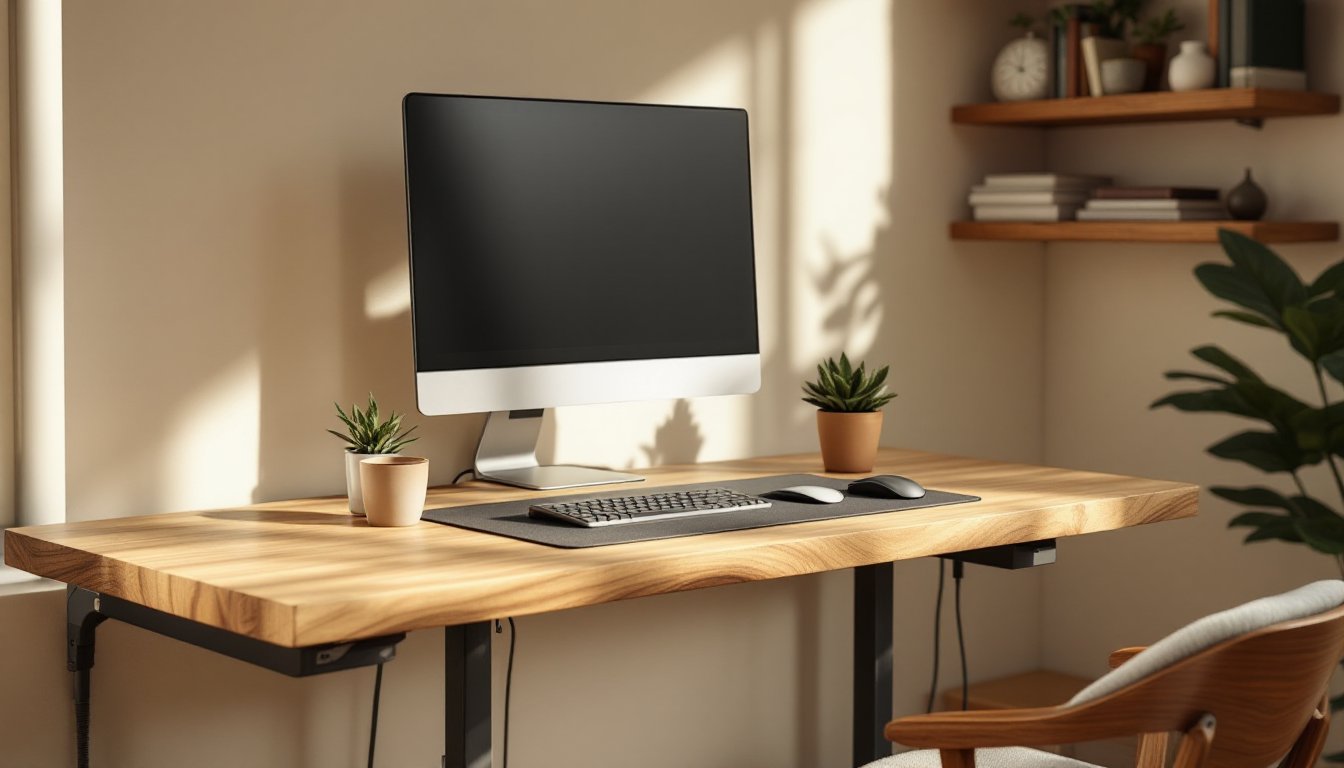
A wooden standing desk brings warmth, functionality, and health benefits to any home office. Unlike flimsy particleboard alternatives, a quality wooden desk creates a workspace that’s both durable and visually appealing, the kind of furniture that doesn’t feel out of place in a living room. Whether you’re building one from scratch or shopping for the right model, understanding materials, design options, and setup will help you choose or build a desk that actually supports your work style and lasts for years, not months.
Table of Contents
ToggleKey Takeaways
- A wooden standing desk combines durability, timeless aesthetics, and health benefits like reduced fatigue and improved circulation, making it a smart long-term investment for any home office.
- Choose between solid wood (durable and repairable but prone to warping) and engineered wood (stable and affordable but harder to repair), or pair a solid wood desktop with an engineered wood frame for the best balance.
- Verify that your wooden standing desk has an appropriate height range (28–46 inches), at least 150 pounds load capacity, and cross-bracing for stability to ensure it performs reliably during daily use.
- Match your desk’s wood tone and leg style to your room’s existing décor—light maple suits modern minimalist spaces while darker walnut complements traditional or eclectic interiors.
- Maintain your wooden standing desk by dusting regularly, blotting spills immediately, using coasters, and avoiding direct sunlight to keep it functional and beautiful for years.
Why Wooden Standing Desks Are a Smart Home Investment
Standing desks have moved beyond trendy office furniture into genuine ergonomic solutions. Alternating between sitting and standing throughout the day reduces fatigue, improves circulation, and can help with back pain, especially if paired with proper desk height and monitor placement. A wooden standing desk brings an additional layer of value because wood is timeless: it won’t look dated in five years or require replacement due to wear. Solid wood or high-quality engineered wood resists the dents and scratches that cheaper materials suffer within months of daily use. You’re also looking at a piece that can move between rooms as your life changes, from a home office to a bedroom desk to a workshop station, without feeling out of place. The natural aesthetic of wood also means your workspace feels intentional and personal rather than corporate-sterile, which matters when you’re spending eight hours a day at that desk.
Understanding Wooden Standing Desk Design and Materials
A standing desk platform typically consists of three parts: the desktop surface, the support structure (frame and legs), and the height-adjustment mechanism. The desktop is usually 1 to 1.5 inches thick for adequate stiffness without being unnecessarily heavy. The frame and legs must support roughly 50–100 pounds of typical desk load (monitor, keyboard, papers, coffee cup). Many modern standing desks use an electric motor system with dual legs and a control pad, though pneumatic or mechanical lever systems are cheaper and quieter alternatives. The key is choosing materials that won’t sag under load or squeak as you raise and lower the desk daily.
Solid Wood vs. Engineered Wood: What’s the Difference
Solid wood desks use lumber like oak, walnut, maple, or cherry. These materials are durable, repairable (a dent can be sanded and refinished), and improve with age. But, solid wood expands and contracts with humidity changes, a real concern in climates with seasonal swings. The desktop can cup or warp if not properly sealed and acclimated. Engineered wood (plywood, MDF, or particle board with veneer) is more stable and less prone to movement. It’s also lighter and usually cheaper. The trade-off is that engineered wood can’t be repaired the way solid wood can: once the veneer is damaged, you’re patching, not refinishing. For a standing desk that will see daily heavy use, a solid wood desktop paired with an engineered wood frame offers a practical balance: durability on the working surface and stability in the support structure.
Key Features to Look for When Selecting a Wooden Standing Desk
Start with height range. A quality standing desk should adjust from about 28 inches (sitting height) to 46 inches (standing height) for most adults. If you’re taller or shorter than average, verify the range works for you. Next, check the load capacity: look for at least 150 pounds on dual-motor desks, which provides a safety margin beyond typical loads. The control system matters too, electric motors are faster and smoother but require a power outlet and will eventually need replacement (typical lifespan is 5–10 years). Mechanical systems are slower but maintenance-free.
Stability is critical. A desk that wobbles when you’re typing undermines the entire purpose. Look for desks with a cross-brace or support bar between the legs, and check reviews specifically mentioning stability at maximum height. Surface stiffness also depends on desktop thickness and whether there’s a front edge reinforcement bar. If you’re building your own, sources like Instructables offer tested plans for sturdy electric desk bases paired with hardwood tops. Cable management channels or under-desk trays prevent clutter and make the space feel intentional rather than chaotic. Finally, consider finish, a polyurethane or water-based finish offers protection without yellowing or off-gassing heavily into your workspace.
Integrating a Wooden Standing Desk into Your Home Office Décor
The beauty of wood is that it adapts to nearly any décor style. A light maple or ash desk pairs seamlessly with scandinavian-minimalist or modern farmhouse aesthetics. Darker walnut or cherry works in traditional, contemporary, or eclectic spaces. Match your desktop finish to other wood tones in the room, if your bookshelves are stained walnut, a walnut desk feels cohesive: mixing warm cherry with cool ash can feel jarring. Desk height and leg style also affect the visual weight. Thin, tapered legs create an airy, mid-century feel, while chunky square legs read as more industrial or rustic. The desktop color (natural, walnut, ebony, or whitewashed) should complement, not clash with, your wall color and surrounding furnishings. If your office is cramped, a desk with open legwork rather than a closed base panel reduces the sense of bulk. Pairing your wooden desk with proper ergonomic accessories, a monitor stand, keyboard tray, or adjustable chair, completes the setup without visually overwhelming the space. The desk itself should feel like a functional anchor, not the room’s only focal point.
Maintenance and Care Tips for Long-Lasting Performance
Wood requires minimal but consistent care. Dust regularly with a soft, dry cloth to prevent grit from scratching the finish. For spills, blot immediately with a damp (not wet) cloth and dry thoroughly: moisture sitting on wood invites swelling and staining. Use coasters and desk pads under hot items and rough objects like scissors or heavy equipment. Avoid placing the desk in direct sunlight for extended periods, as UV rays fade wood finish and can cause uneven color changes. For solid wood desks in dry climates, a light oil finish (like tung oil or linseed oil) applied annually helps maintain the finish and prevents over-drying. For polyurethane-finished desks, occasional polish keeps the shine but isn’t essential. If you notice wobbling on an electric desk, check that all bolts connecting the base to the desktop are tight, vibration from daily raising and lowering can loosen them. Most electric systems have a simple lifespan: when motors fail after many years, replacement units are usually available from the manufacturer. If you build your own desk, resources like Fix This Build That provide maintenance guides and upgrades for extending the life of your investment.
Conclusion
A wooden standing desk is a practical, long-term investment in your workspace and health. By choosing quality materials, verifying stability and height range, and integrating the desk thoughtfully into your room’s design, you’ll create a workspace that supports productive work and looks intentionally curated. Regular maintenance is straightforward and ensures your desk remains both functional and beautiful for years.