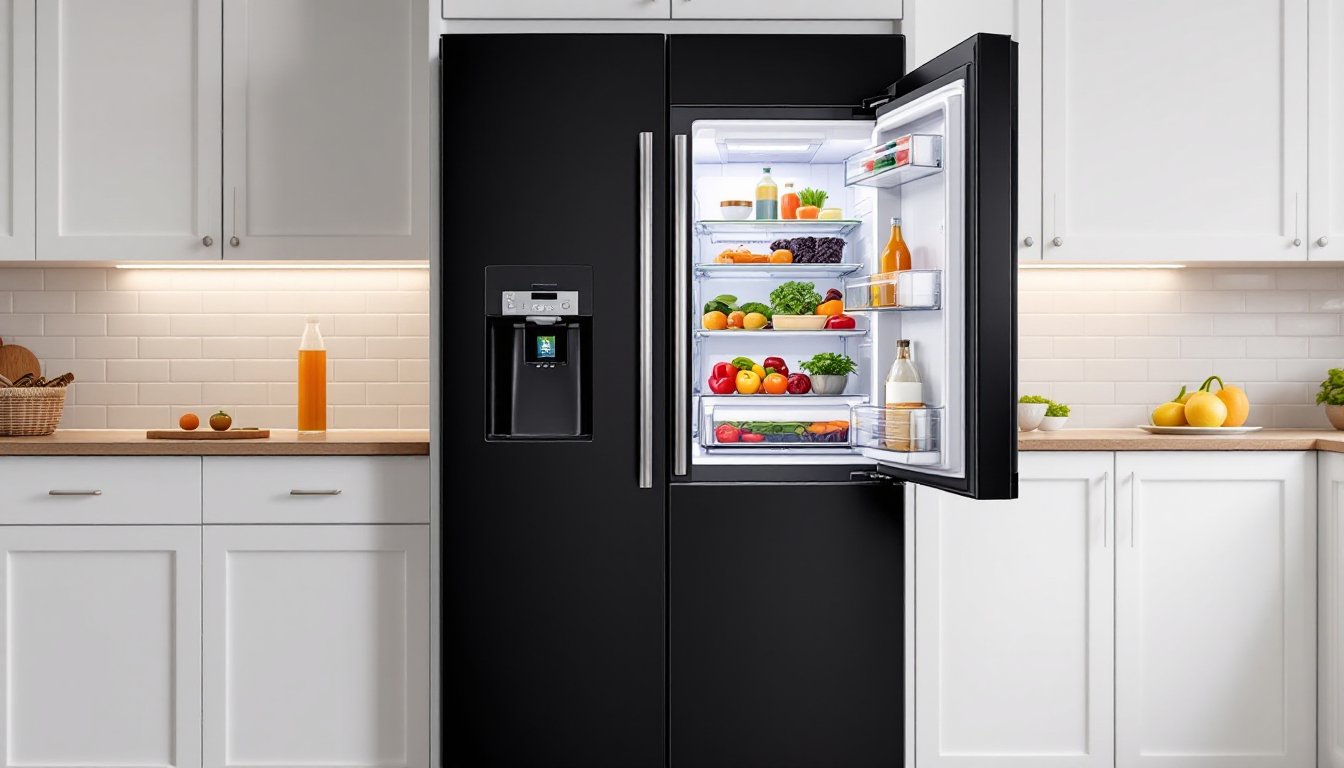
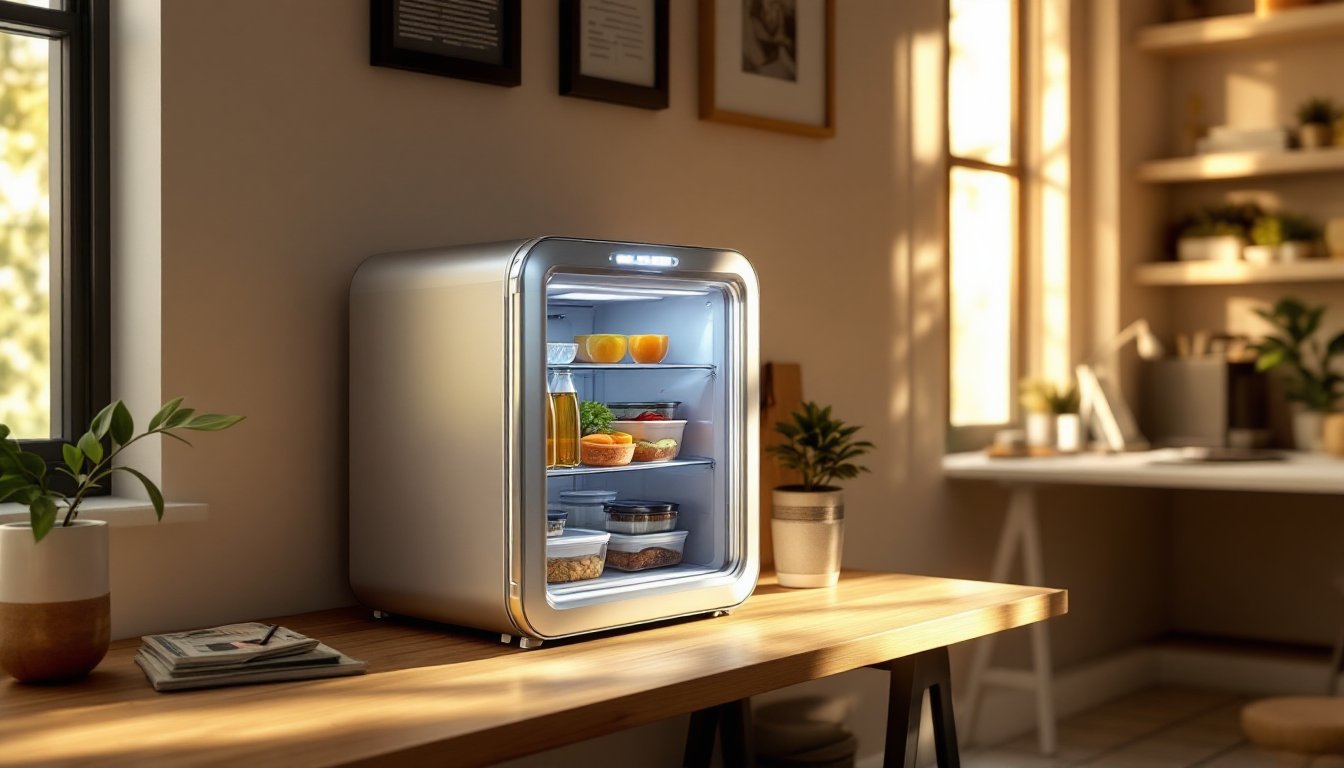
Whether you’re furnishing a home office, adding extra beverage storage to a garage, or outfitting a dorm room, a small refrigerator from Walmart can solve real space constraints without very costly. Modern compact and mini refrigerators have come a long way, they’re no longer just novelty appliances gathering dust. Today’s models offer solid cooling performance, flexible configurations, and surprisingly affordable prices. This guide walks you through what Walmart currently offers, what features actually matter, and how to find the right small refrigerator for your specific needs and budget.
Table of Contents
ToggleKey Takeaways
- A small refrigerator from Walmart consumes 40–60% less electricity annually than full-size models, reducing both energy costs and environmental impact.
- Small refrigerators from Walmart range from budget-friendly compact models under $300 to mid-range units ($300–$600) with advanced features like dual-zone cooling and Energy Star certification.
- Key features to prioritize when selecting a small refrigerator include adjustable interior layout, noise level below 40 decibels, reversible doors, and automatic defrost mechanisms.
- Proper placement with 4+ inches of clearance around all sides—especially the condenser area—ensures optimal performance and extends the lifespan of your Walmart mini refrigerator.
- Regular maintenance, including condenser coil cleaning every 6 months and quarterly door seal checks, helps a small refrigerator deliver reliable performance for 8–12 years.
Why Small Refrigerators Are Ideal for Modern Homes
A small refrigerator serves a purpose that goes beyond simply being a backup appliance. Growing households face real constraints: a main kitchen fridge that’s already full, limited basement or garage space, or a home office where quick access to cold drinks and snacks cuts down on trips downstairs. Young professionals setting up first apartments often discover that a Walmart mini refrigerator handles beverage storage, meal prep containers, and leftovers without consuming valuable floor space.
Small refrigerators also reduce energy consumption compared to standard full-size models. A compact unit running only during active use consumes roughly 40–60% less electricity annually than a full-size refrigerator, which matters both to your electric bill and environmental footprint. Unlike traditional beverage coolers that require constant power, many small refrigerators feature adjustable thermostats and solid insulation, meaning they cool efficiently and maintain steady temperatures.
Top Walmart Small Refrigerator Options for Every Budget
Walmart’s small refrigerator selection spans several categories and price tiers, making it practical to find an option that fits both your space and wallet.
Compact Models Under $300
Budget-conscious shoppers and those seeking a first small refrigerator should focus on compact units in the 2.5 to 4 cubic foot range. These models are perfect for dorm rooms, offices, or supplemental beverage storage. Walmart carries several options from established brands in this tier, typically featuring a single compartment with adjustable shelving and a small freezer section. Look for units with mechanical thermostats (simpler and more reliable) and reversible doors for flexibility when placing the unit. A Walmart mini refrigerator in this category often includes a separate icemaker or shallow freezer drawer, useful if you’re storing ice packs or frozen meals for quick reheating.
Key advantages: portable (many weigh under 40 pounds), low operating costs, and straightforward maintenance. Drawbacks: limited organization options and minimal freezer space, so plan accordingly if frozen storage is a priority.
Mid-Range Units ($300–$600)
If you’re willing to invest more, mid-range small refrigerators from Walmart jump to the 4 to 6 cubic foot range with better materials and smarter features. These units often include stainless steel or panel-ready exteriors, internal LED lighting, and improved insulation. Some models feature dual-zone cooling, allowing you to set different temperatures for the fridge and freezer compartments independently, handy if you’re storing medicines or sensitive items alongside groceries.
This category is where you’ll find Walmart mini refrigerators with digital temperature controls and noise-dampening compressors. Many are Energy Star certified, saving money over several years even though the higher upfront cost. These units also tend to have more versatile shelf configurations and deeper freezer sections, making them suitable as true secondary kitchens for growing families or as permanent fixtures in finished basements and garages.
Key Features to Consider Before Buying
Before buying a small refrigerator from Walmart, evaluate these practical factors:
Capacity and Interior Layout – Measure your intended space and note the unit’s external dimensions, not just cubic footage. A unit labeled “4 cubic feet” can feel cramped if shelves are fixed and inflexible. Check whether shelves are adjustable, removable, or fixed. Freezer depth matters: a shallow freezer holds ice packs and frozen vegetables but won’t accommodate large frozen dinners or bulk ice cream.
Noise Level – Compact refrigerators with older compressors can be surprisingly loud, reaching 45–50 decibels during operation. If the unit will run in a bedroom, office, or living space, seek models rated below 40 decibels. Many Walmart small refrigerator listings include noise ratings: don’t skip this detail.
Door Swing and Placement – Reversible doors are standard on quality models and let you open the unit from either side, crucial when space is tight. Verify that the refrigerator’s depth (including the door handle when fully open) won’t block nearby pathways or furniture.
Temperature Control – Mechanical dial controls are simple and reliable: digital displays offer precision but introduce more electronic components that can fail. Confirm the unit maintains consistent temperatures in your intended environment. A garage-bound refrigerator may struggle if ambient temperatures drop below 50°F in winter: some models include insulation and controls designed for “cold ambient” settings.
Defrost Mechanism – Manual defrost units are cheaper but require periodic draining and cleaning. Automatic defrost models cost more but eliminate this chore. If your Walmart mini refrigerator will sit unused for stretches, automatic defrost is worth the upfront expense.
Warranty and Support – Entry-level models often carry 1-year warranties: mid-range units may offer 2–3 years. Check Walmart’s return policy and whether extended warranties are available.
Smart Placement Ideas for Your Small Refrigerator
Where you position a Walmart small refrigerator affects both its performance and your daily convenience. Home offices benefit from a Walmart mini refrigerator positioned to the side of a desk or credenza, freeing you from repeated kitchen trips during long workdays. Keep the unit away from direct sunlight and heat sources (furnace vents, south-facing windows) to avoid overworking the compressor.
Garages and finished basements offer excellent placement opportunities, especially if your main kitchen fridge is overloaded. Position the unit on a level surface with at least 4 inches of clearance on all sides, particularly around the back where the condenser releases heat. This airflow is essential: without it, the compressor labors harder and fails sooner. A simple shelf or heavy-duty garage cart keeps the unit accessible and protects it from moisture and dust.
Bars and game rooms thrive with a small refrigerator positioned near beverage serving stations. If aesthetics matter, many modern compact models have finished sides and sit naturally alongside cabinetry. Dorm rooms and small apartments require creative solutions: place a Walmart mini refrigerator in a corner desk setup, under a counter beside a microwave, or even inside a closet (again, respecting ventilation clearance). Avoid enclosed spaces like cabinets without vents: the trapped heat will reduce efficiency and lifespan.
For those interested in broader kitchen solutions, The Kitchn offers practical ideas for small-space kitchen design, including how to integrate compact appliances without visual clutter. Also, Apartment Therapy features creative approaches to outfitting tight quarters, which pairs well with small appliance planning.
Maintenance Tips to Maximize Lifespan
A Walmart small refrigerator will serve reliably for 8–12 years with minimal upkeep. Start by cleaning the condenser coils (the metal fins on the back or bottom) every 6 months using a soft brush or vacuum with a brush attachment. Dust accumulation forces the compressor to work harder and shortens its life. Wipe the door seals quarterly with a damp cloth to remove food residue and keep them pliable.
Defrost manual-defrost models every 3–6 months, depending on usage and frost buildup. Automatic defrost units handle this internally but still benefit from a quick interior wipe-down twice per year. Check that the unit sits perfectly level: a slight tilt prevents proper drainage and stresses internal components. If your Walmart mini refrigerator has a drain plug, ensure it’s clear and water flows freely during defrost cycles.
Store the unit in a climate-controlled space when not in use. Extreme cold or heat damages the compressor, refrigerant lines, and seals. If you’re temporarily relocating a small refrigerator, wait at least 4–6 hours before plugging it back in so internal fluids can settle. Finally, replace door seals if you notice frost forming around the edges, worn seals force the compressor to cycle constantly, wasting energy and risking premature failure.