
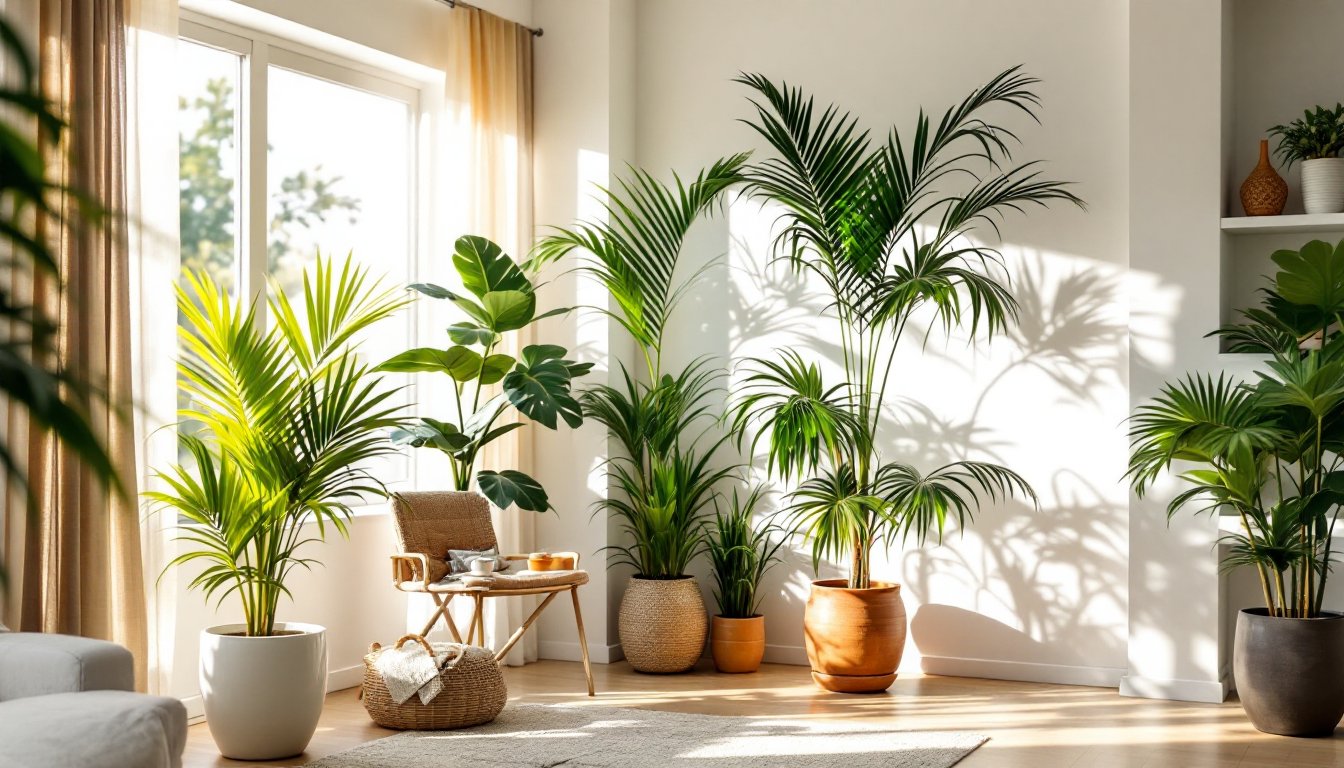
Indoor palms bring a slice of the tropics into any living space, transforming rooms with their distinctive fronds and graceful silhouettes. Whether you’re looking to fill an empty corner, create a focal point in your living room, or simply enjoy the year-round greenery that these plants provide, there’s an indoor palm variety suited to your home. Many homeowners assume palms are high-maintenance or require greenhouse conditions, but modern indoor palms are far more forgiving than their reputation suggests. The right species can thrive in standard household light and humidity, making them ideal for anyone from complete beginners to seasoned plant enthusiasts. Let’s walk through seven proven indoor palm plants that are actually practical for real homes.
Table of Contents
ToggleKey Takeaways
- Indoor palm plants are low-maintenance and practical for real homes when you select a species that matches your light conditions and care habits, making them ideal for both beginners and experienced plant owners.
- The Parlor palm offers compact, forgiving growth perfect for apartments and low-light spaces, while the Majesty palm creates a dramatic focal point for those with bright light and space to fill.
- Types of indoor palm plants vary significantly in their requirements—Areca palms excel in humidity, Bamboo palms purify air effectively, and Kentia palms provide long-lasting investment pieces that can live for decades.
- Starting with smaller, younger indoor palm plants allows them to acclimate to your home and costs far less than purchasing mature specimens upfront.
- Air purification capabilities make palms like Bamboo and Areca valuable additions to indoor spaces, with studies showing they actively filter airborne toxins.
- Humidity and watering consistency are the most critical factors for palm success—grouping plants together or misting weekly prevents issues with spider mites and ensures stable growth.
Areca Palm: The Tropical Powerhouse
The Areca palm (Dypsis lutescens) is often the first choice for homeowners who want a lush, full-bodied palm that commands attention. Standing anywhere from 4 to 6 feet tall indoors, it features feathery, bright green fronds that create an almost instant vacation vibe. This palm grows relatively quickly compared to other indoor varieties, so you’ll see visible progress year after year.
Areca palms thrive in bright, indirect light and prefer to stay consistently moist (not soggy). They’re also impressive air purifiers, studies have shown they filter airborne toxins effectively. The main trade-off is that they can attract spider mites if the air is too dry, so misting the fronds weekly or grouping them with other plants to raise humidity helps. They’re also somewhat top-heavy as they grow, so staking with a moss pole early on prevents them from becoming unstable. If you’re willing to give them a bit of attention with watering and humidity, the Areca rewards you with dramatic tropical presence.
Parlor Palm: The Compact Classic
The Parlor palm (Chamaedorea elegans) is the practical workhorse of the indoor palm world. It maxes out at about 3 to 4 feet tall, making it perfect for apartments, bedrooms, or spaces where a giant plant isn’t realistic. Unlike many palms, it tolerates lower light better than most, a bright, north-facing window or even a few feet from an east-facing window will keep it happy.
Parlor palms are slower growers, which some homeowners see as a drawback and others appreciate (it means less frequent repotting). They’re incredibly forgiving about watering: let the soil dry out slightly between waterings, and they’ll keep performing. These palms also make excellent candidates for propagation, mature plants produce offshoots you can separate and pot individually, effectively giving you a multi-plant display from one parent. They’ve been interior design staples since the Victorian era for a reason: they’re reliable, quiet, and undemanding. If you want a palm that you can honestly forget about for a week and it’ll still be fine, this is your pick.
Kentia Palm: The Elegant Statement Plant
The Kentia palm (Howea forsteriana) is the refined option, tall, graceful, and architecturally beautiful in a way that makes it look right at home in a minimalist or modern space. It grows slowly but reaches up to 10 feet tall indoors over many years, creating a striking vertical element without looking overstuffed. The fronds are longer and more widely spaced than an Areca, giving it an open, airy profile.
Kentias are notoriously patient plants that don’t demand much. They prefer bright, indirect light and can actually tolerate periods of lower light better than most palms. Watering is straightforward: let the soil dry between waterings, and water less in winter. The real advantage here is durability, Kentia palms live for decades, sometimes a lifetime, so this is an investment in a plant that becomes part of your home’s permanent landscape. They’re also less prone to pest issues than some other indoor palms. The downside? They’re slower-growing and more expensive upfront than Arecas or Parlor palms. But if you want a statement piece that’ll outlast trends and furniture cycles, the Kentia is worth it.
Bamboo Palm: The Air-Purifying Wonder
The Bamboo palm (Chamaedorea seifrizii) shares the Parlor palm’s user-friendly nature but brings its own personality to the table. Growing to about 5 to 6 feet tall, it’s a solid middle ground between compact and statement-making. The fronds are finer and more delicate than the Kentia, and it has a naturally clumping habit that creates a fuller, bushier appearance without needing to buy multiple plants.
Bamboo palms excel at air purification, they’re actually on NASA’s list of plants that remove formaldehyde and other indoor air pollutants. They prefer indirect light and moderate moisture: water when the top inch of soil feels dry, and they’re forgiving if you occasionally forget. Like the Parlor, they appreciate misting and grouping with other plants to create a humid microclimate. They’re hardy, relatively pest-resistant, and adapt well to typical household conditions. Their main requirement is consistent room temperature, they don’t like cold drafts or rapid temperature swings. If you’re focused on both aesthetics and air quality, the Bamboo palm ticks both boxes efficiently.
Majesty Palm: The Dramatic Focal Point
The Majesty palm (Ravenea rivularis) is the showstopper. It grows quickly and can reach 6 to 10 feet tall indoors, creating a dramatic, dense canopy of feathery fronds that dominates whatever room it occupies. If you want a single plant to define a space, this is it. The fronds are deep green and finely textured, creating an almost cloud-like profile that photographs beautifully.
Majesty palms need bright, indirect light, ideally near a sunny window with a sheer curtain filtering direct rays. They prefer consistent moisture without being waterlogged, so check soil regularly, especially during growing season. They’re also humidity lovers: a space near a bathroom or kitchen, or regular misting, keeps them performing well. The challenge is that Majesty palms are slightly pickier than some other indoor palms about water quality and temperature consistency. They also grow quickly, which means you’re repotting more often. But the payoff is a tropical landscape right in your living room. Recent guides to best indoor palm plants consistently highlight Majesty palms as a premium choice for people willing to meet their slightly higher care demands.
Choosing the Right Indoor Palm for Your Space
Picking the right palm starts with three honest assessments: available light, how much space you’re willing to dedicate, and your consistency with watering. A north-facing window? Your Parlor or Kentia will thrive while an Areca might struggle. Limited floor space? Go compact with Parlor: have a corner you want to fill completely? Majesty or Kentia are your friends.
Consider humidity too. If your home tends to be dry (especially in winter with heating running), palms that tolerate lower humidity, Parlor, Kentia, are safer bets. If you don’t mind misting weekly or placing plants in groupings to create a humid microclimate, Arecas and Majesty palms reward the effort. Resources like The Spruce and Gardenista’s indoor palms guide offer detailed care profiles and styling ideas that help visualize how each variety fits different interiors.
One practical tip: buy small palms and let them grow in your home rather than starting with mature, expensive specimens. A 2-foot Areca is forgiving during the adjustment period and costs far less than a 6-foot version. Most indoor palms take a few weeks to acclimate after coming home, some leaf drop is normal. Don’t panic or overwater: steady, consistent care lets them settle in. Finally, repot into fresh potting soil only when roots are actively pushing out of drainage holes, typically every 18-24 months. Overpointing drains too much water and causes root rot.
Conclusion
Indoor palms offer homeowners an accessible way to bring greenery, air purification, and tropical character into any room. Whether you’re drawn to the forgiving Parlor palm, the statement-making Majesty, or the balanced approach of a Kentia, each variety has real merits beyond just looking good. The key is matching the palm to your actual light, space, and care habits, not what you think you should provide. Start with one, observe how it grows, and build from there.