
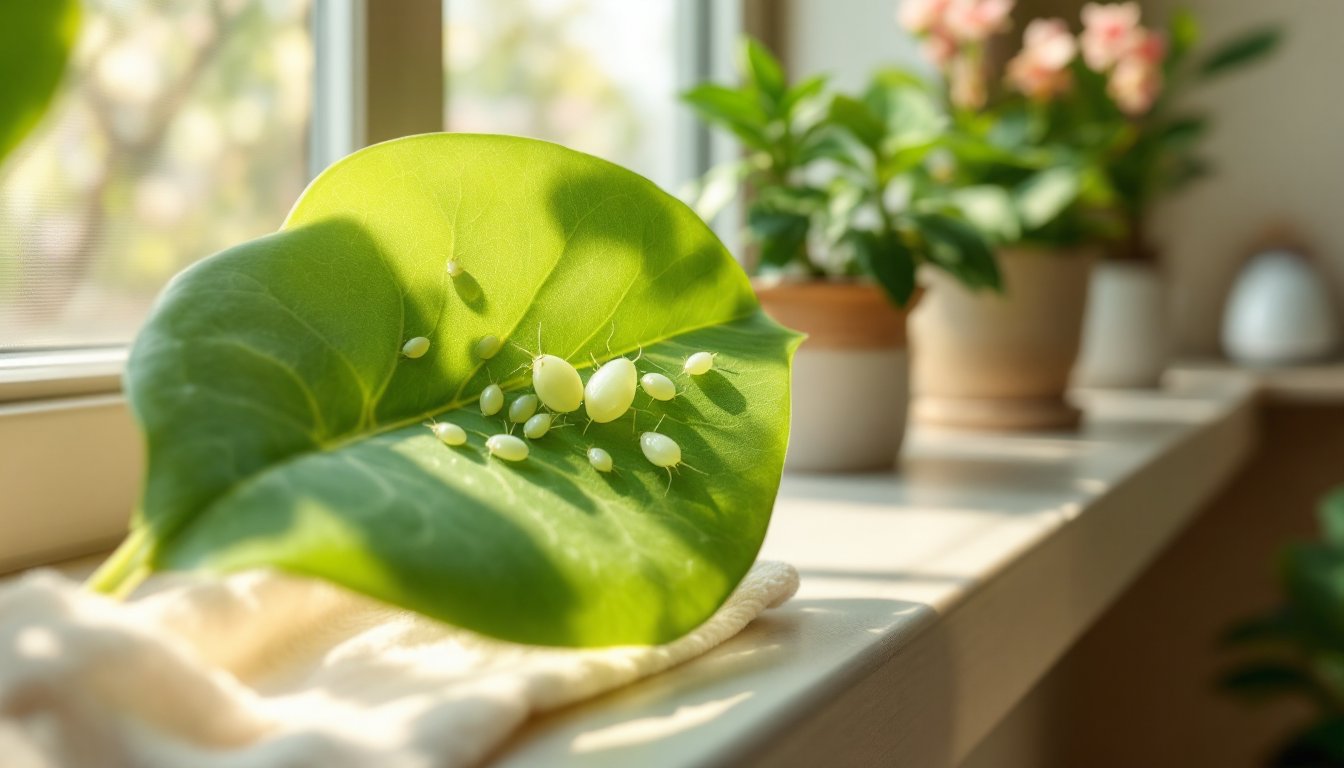
Finding tiny green bugs crawling across your windowsill or clustering on a houseplant can feel unsettling, especially when you’re not sure what they are or if they’ll damage your home. The good news: most tiny green bugs found indoors are either harmless visitors or manageable pests that respond well to straightforward removal and prevention tactics. This guide walks you through identifying common indoor green bugs, understanding why they’ve entered your space, and implementing practical removal and prevention strategies that work. Whether you’re dealing with aphids, lacewings, or another culprit, you’ll find actionable steps to reclaim your home without relying on harsh chemicals or expensive professional treatments.
Table of Contents
ToggleKey Takeaways
- Most tiny green bugs found indoors, such as aphids and spider mites, are manageable with straightforward removal and prevention tactics without requiring professional help.
- Inspect new houseplants thoroughly before bringing them home and quarantine them for 7–10 days, as infested plants are the primary source of indoor green bug infestations.
- Effective removal methods include water spray techniques, neem oil or insecticidal soap, sticky traps, and introducing natural predators like ladybugs to control populations biologically.
- Maintain indoor humidity between 40–50%, improve air circulation, and keep temperatures around 60–65°F to slow pest reproduction and create an inhospitable environment for tiny green bugs.
- Seek professional pest control if infestations persist after four to six weeks of treatment, spread across multiple rooms, or suggest structural issues like wood rot.
Identifying Common Tiny Green Bugs Found Indoors
Aphids and Their Indoor Habits
Aphids are among the most common tiny green bugs homeowners spot indoors, particularly on houseplants. These soft-bodied insects measure just 1–4 mm long and range from pale green to darker shades, with pear-shaped bodies and long antennae. They reproduce rapidly, a single female can produce dozens of offspring without mating, making infestations escalate quickly.
Indoor aphids typically arrive on new plants or in soil, then cluster on tender growth and leaf undersides where they feed by piercing plant tissues and drawing out sap. You’ll notice sticky residue (honeydew) on leaves and surfaces beneath the plant, which can attract mold and other insects. Unlike outdoor aphids that feed year-round, indoor aphids thrive in warm, consistent temperatures, particularly during winter months when the air is dry.
To confirm aphids, inspect leaf undersides with a magnifying glass and look for the characteristic pear shape and clustered arrangement. Sticky traps placed near plants will also catch wandering adults.
Green Lacewings, Cicadas, and Other Culprits
Green lacewings are often mistaken for pests, but they’re actually beneficial predators that occasionally wander indoors seeking shelter or attracted to lights. These delicate insects have translucent green wings, slender bodies, and gold or copper-colored eyes. Unlike aphids, lacewings prey on soft-bodied insects and pose no threat to plants or people.
Cicadas, though less common indoors, occasionally enter homes through open doors or windows. These larger insects (½ to 2 inches) have clear wings and robust bodies. They’re harmless but loud, their buzzing can startle homeowners unfamiliar with the sound.
Other green insects you might encounter include spider mites (greenish and nearly invisible to the naked eye), psyllids (tiny jumping insects), and small beetles. Each has distinct identification markers and feeding habits. Common indoor plant pests for those wanting to compare specimens before determining treatment.
Why These Bugs Enter Your Home
Tiny green bugs don’t invade homes out of malice, they’re seeking survival essentials: food, moisture, and shelter. Houseplants, particularly newly purchased specimens, are common vectors. Infested plants bring aphids, spider mites, and other pests directly into your living space where the warm, stable indoor climate creates ideal breeding conditions.
Stale indoor air with low humidity also attracts certain species. Aphids thrive in warm, dry environments with temperatures between 65–75°F (18–24°C), making your heated winter home perfectly hospitable. Poor air circulation exacerbates the problem by allowing pest populations to concentrate in localized areas.
Open windows and doors, particularly during spring and fall, allow beneficial insects (like lacewings seeking shelter) and pests alike to enter. Some homeowners also inadvertently transport pests on contaminated soil, plant cuttings, or garden tools brought indoors.
Understanding the entry point helps you target prevention. Most indoor green bug infestations stem from plants rather than external invasion, so quarantine and inspection of new greenery should be your first line of defense.
Quick Removal Methods Homeowners Can Use
Once you’ve identified green bugs, several proven removal methods work without professional help. The approach depends on the pest type and infestation severity.
Isolation and inspection: Move infested plants away from other greenery immediately. Inspect all nearby plants, as aphids and spider mites spread quickly. Check soil surface, pot bottoms, and plant containers for eggs or clustering insects.
Water spray method: For mild infestations, a strong spray from a garden hose or kitchen spray bottle dislodges aphids and spider mites from leaves and stems. Repeat every 2–3 days for one to two weeks. Direct water forcefully at leaf undersides where pests hide, but avoid damaging delicate foliage. This method works best on hardy plants.
Neem oil or insecticidal soap: These organic treatments disrupt the insect’s cell membranes and are effective against aphids, spider mites, and small pests. Mix according to label directions, neem oil typically requires a ½–1% concentration. Spray leaf surfaces thoroughly, including undersides, every 5–7 days for two to three weeks. Wear gloves and apply in the evening to avoid sun damage. Test on a small leaf area first, as some plants (like delicate ferns) are sensitive.
Alcohol solution: Dab visible insects directly with a cotton swab dipped in 70% isopropyl alcohol. This works for isolated pests on small plants. The alcohol evaporates quickly and causes minimal damage to foliage.
Natural predators: Introducing beneficial insects like ladybugs or parasitic wasps (available online from garden suppliers) controls aphid populations biologically. These work best in enclosed spaces like terrariums or plant cabinets where predators stay localized.
Sticky traps: Place yellow or blue sticky cards near affected plants to catch flying adults and monitor population levels. Replace traps weekly until insect activity drops.
Prevention Tips to Keep Green Bugs Out
Preventing infestations is far easier than treating established ones. Start with plant quarantine: inspect any new houseplant thoroughly before bringing it home. Check leaf undersides, soil surface, and base of the plant for eggs, insects, or sticky residue. Quarantine new plants in a separate room for 7–10 days, monitoring daily for pest signs.
Maintain consistent humidity and air circulation indoors. Use a humidifier to keep relative humidity between 40–50%, which discourages spider mites and favors beneficial fungi. Run a ceiling fan or portable fan to improve air movement, stagnant air creates aphid hotspots. Avoid overwatering, as excess moisture attracts certain pests and encourages fungal growth.
Clean plant leaves monthly using a soft cloth and distilled water. Dust removal improves photosynthesis and allows you to spot early pest signs. Disinfect pruning shears, soil containers, and pots with a 10% bleach solution between uses to prevent pest transmission.
Control indoor temperature. Most green pests thrive between 65–80°F: slightly cooler temps (60–65°F) slow reproduction. If you can tolerate it, lowering heat during winter reduces aphid and spider mite populations.
Seal entry points: caulk gaps around windows and doors, install door sweeps, and use window screens (intact, fine-mesh types work best). Screen vents leading to plant-growing areas or sunny windowsills.
Rotate plants and rearrange your plant layout periodically. This disrupts pest colonies and prevents persistent hotspots. Consider keeping particularly susceptible plants (like myrtle or hibiscus) away from high-traffic areas where they’re more likely to spread pests if infested.
When to Call a Professional Pest Control Service
Most tiny green bug infestations in homes are manageable with the removal methods above. But, certain situations warrant professional help.
Call a pest control professional if infestations persist after four to six weeks of consistent treatment. Persistent pests suggest a resistant population, overlooked harborages, or environmental factors you haven’t addressed. Professionals have access to targeted treatments and expertise to diagnose why DIY efforts have stalled.
If the infestation spreads across multiple rooms or affects dozens of plants, the scope exceeds practical DIY management. Large-scale treatments require systematic application and monitoring that professionals handle efficiently.
If you suspect structural pests (like bark lice, which can indicate wood rot or moisture issues), professional assessment is crucial. These pests signal underlying problems requiring structural inspection and remediation.
Final consideration: if you have severe allergies, asthma, or sensitivities to pesticide residues, hiring a professional who uses low-toxicity methods ensures safety. Real Simple’s home organization.
When contacting a pest control service, request an estimate and ask about treatment methods, follow-up visits, and guarantees. Many reputable companies specialize in organic or low-toxicity solutions suitable for homes with children and pets.