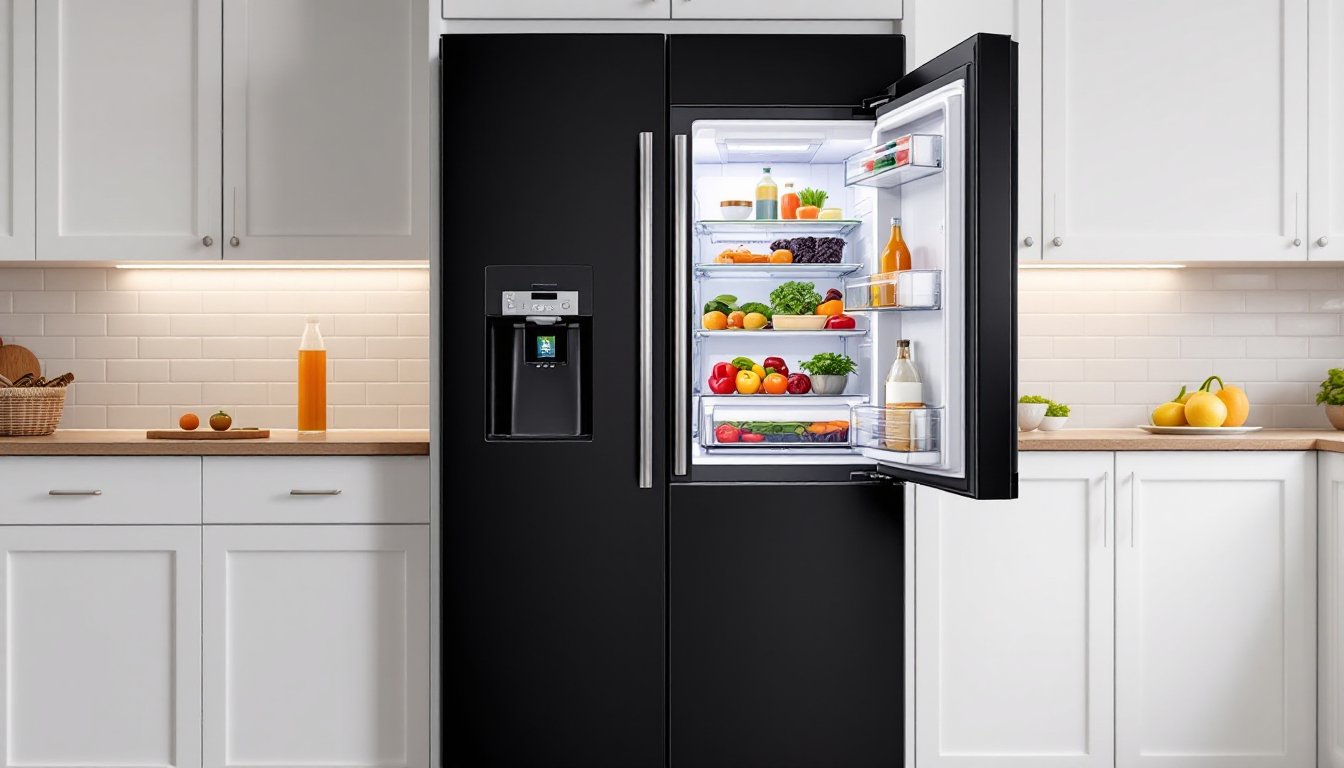
A black side-by-side refrigerator does more than keep food cold, it anchors your kitchen’s design and workflow. Unlike traditional models, a side-by-side refrigerator places the freezer and fresh food compartments at eye level, side by side, making everything accessible without bending or climbing. The black finish delivers contemporary style, hiding fingerprints better than stainless steel, while modern units pack serious capacity and energy-saving features. This guide walks you through evaluating options, measuring your space, and making the right purchase decision so your new appliance fits your kitchen, and your budget, perfectly.
Table of Contents
ToggleKey Takeaways
- A black side-by-side refrigerator places the freezer and fresh food compartments at eye level for better accessibility and reduced strain, while the black finish resists fingerprints better than stainless steel.
- Measure your kitchen opening carefully (35–36 inches wide, 30–34 inches deep) and confirm door swing direction before purchasing to ensure proper fit and installation without costly modifications.
- Energy Star certified side-by-side models consume 600–750 kWh annually, saving $20–40 per year compared to older units, which adds up significantly over a 12–15 year lifespan.
- Budget $1,200–1,500 for base models or $1,800–2,400 for mid-range units that offer the best value in reliability, efficiency, and modern features without unnecessary premium pricing.
- If your model includes an ice maker or water dispenser, budget $150–300 for professional plumbing installation and confirm your electrical outlet supports a dedicated 20-amp circuit for safe operation.
- A black side-by-side refrigerator’s neutral aesthetic works with modern, traditional, farmhouse, and industrial kitchen styles, making it a versatile long-term investment that complements various design preferences.
Why Black Side-By-Side Refrigerators Are a Top Choice for Modern Kitchens
Black side-by-side refrigerators have become a staple in modern kitchen design, and for good reason. The black finish is forgiving with smudges and fingerprints, requiring less frequent cleaning than stainless steel, a real win in busy households. Unlike top-freezer models that force you to squat or reach high, the side-by-side layout puts both freezer and refrigerator sections at waist-to-eye level, improving daily usability and reducing back strain when loading and retrieving items.
The visual presence of a black refrigerator adds sophistication without demanding attention. It pairs beautifully with contemporary cabinetry, contrasts sharply against light or white kitchens, and suits minimalist aesthetics. Many homeowners find that the black refrigerator side by side aesthetic complements modern appliance suites and works as well with traditional décor as it does with farmhouse or industrial styles.
Beyond aesthetics, side-by-side models typically offer more counter-accessible features, ice makers, water dispensers, and digital temperature controls integrated into the exterior door panel. This design philosophy extends usability and eliminates the need for a separate ice machine, saving counter space in kitchens where every inch counts.
Key Features and Benefits to Evaluate
Capacity and Storage Solutions
Side-by-side refrigerators range from 20 to 26 cubic feet, with many premium models pushing 27+ cu. ft. Don’t mistake total capacity for usable space: the side-by-side split means narrower shelves on both the freezer and fresh food sides compared to a French-door model of similar capacity. This trade-off affects how you store items like oversized pizza boxes or sheet pans, they may not fit lengthwise.
Look for adjustable shelving, humidity-controlled drawers (essential for vegetables and deli items), and door-in-door features that reduce cold air loss when grabbing frequently used items. Many contemporary models include digital compartment controls, allowing you to set independent temperatures for the fridge and freezer or even activate a “flex zone” that switches between fridge and freezer modes.
Energy Efficiency and Cost Savings
Energy Star certified side-by-side refrigerators consume roughly 600–750 kWh annually, compared to 700–900 kWh for older models. That translates to 20–40 dollars in annual savings, depending on regional electricity rates. Over a refrigerator’s typical 12- to 15-year lifespan, efficiency upgrades pay dividends.
Check the EnergyGuide label for estimated yearly operating costs and compare units directly. Inverter compressors, improved insulation, and LED lighting (which runs cooler and lasts longer than incandescent) are hallmarks of efficient models. According to reviews and lab testing from trusted sources, even mid-range side-by-side units now exceed minimum efficiency standards, so your main savings come from avoiding the oldest models when upgrading.
How to Measure Your Space and Plan Installation
Before you fall in love with any black side-by-side refrigerator, measure your opening and surrounding clearances. Most side-by-side models are 35–36 inches wide (nominal): actual depth runs 30–34 inches, including the door handle. Confirm door swing direction, left-hinged and right-hinged units exist, and choosing the wrong orientation blocks kitchen flow or prevents the door from opening fully.
Measure the rough opening in your cabinetry, not the finished frame. Account for at least 1/4 inch of clearance on each side and top for proper airflow and installation maneuverability. Check ceiling height: if overhead cabinets overhang your refrigerator location, verify the unit’s height won’t protrude above them. Document electrical outlet locations, you’ll need a dedicated, grounded 115-volt circuit within 6 feet of the unit. Some contractors recommend a 20-amp circuit to handle the compressor’s startup draw safely.
Note plumbing requirements if your model includes an icemaker or water dispenser. Most units require a 1/4-inch copper or plastic water line, installed behind the refrigerator with a shut-off valve. If your kitchen lacks this, budget for a plumber to run the line, typically $150–300 depending on distance and complexity. Platform and countertop height matter, too: standard kitchen counters are 36 inches, and your refrigerator should align flush with adjacent cabinetry for a seamless appearance.
When delivery arrives, inspect the unit for shipping damage before the delivery crew leaves. Check door seals, handle integrity, and that all shelves and drawers move freely. Most retailers include standard delivery and positioning, but haul-away of your old unit may cost extra. Plan to let your new refrigerator sit unplugged for 4–6 hours after delivery if it was transported horizontally: this allows refrigerant to settle before powering on.
Top Considerations Before Making Your Purchase
Budget shapes every buying decision. Base models start around $1,200–1,500, while feature-rich units with WiFi connectivity, flexible storage zones, and premium finishes exceed $3,000. Mid-range options ($1,800–2,400) often deliver the best value, offering solid efficiency, reliable compressors, and modern conveniences without unnecessary bells.
Warranty coverage varies significantly. Standard manufacturer warranties cover parts and labor for one year: extended plans (2–5 years) protect the compressor, a common failure point. Compare what’s included: some warranties cover labor, others don’t. Read the fine print on water-damage exclusions if you’re installing an icemaker or dispenser, a failed water line can void coverage if improperly installed.
Brand reputation matters. Whirlpool, LG, Samsung, and GE dominate the market with proven track records. Research reliability ratings through consumer reports and retailer reviews before committing. A $200 premium for a brand with lower repair frequency often pays for itself within five years.
Think long-term about your kitchen’s layout. A black refrigerator side by side fits modern aesthetics brilliantly, but will it feel dated in ten years? Stick with neutral black finishes over trendy “fingerprint-resistant black” variants that may become harder to match or repair. Also consider your family’s growth, a 26 cu. ft. unit suits a family of four well, but young families eyeing bigger households should consider the top-end capacities. Design-focused homeowners often explore kitchen layout options to ensure appliances integrate thoughtfully with cabinetry and workflow.
Finally, measure and re-measure your space before ordering. Delivery logistics, installation complexity, and potential modifications to cabinetry or electrical systems can derail even well-planned projects. If your kitchen needs reframing around the refrigerator location or new electrical circuits, hire a licensed electrician or contractor upfront rather than scrambling after delivery.
Conclusion
A black side-by-side refrigerator combines practicality, style, and long-term value when chosen thoughtfully. Prioritize capacity that matches your household, verify energy efficiency ratings, and nail down your space measurements before purchase. Proper installation, from electrical prep to water line routing, ensures reliability and longevity. With the right model, your new refrigerator becomes an investment in daily convenience and kitchen aesthetics that pays dividends for over a decade.