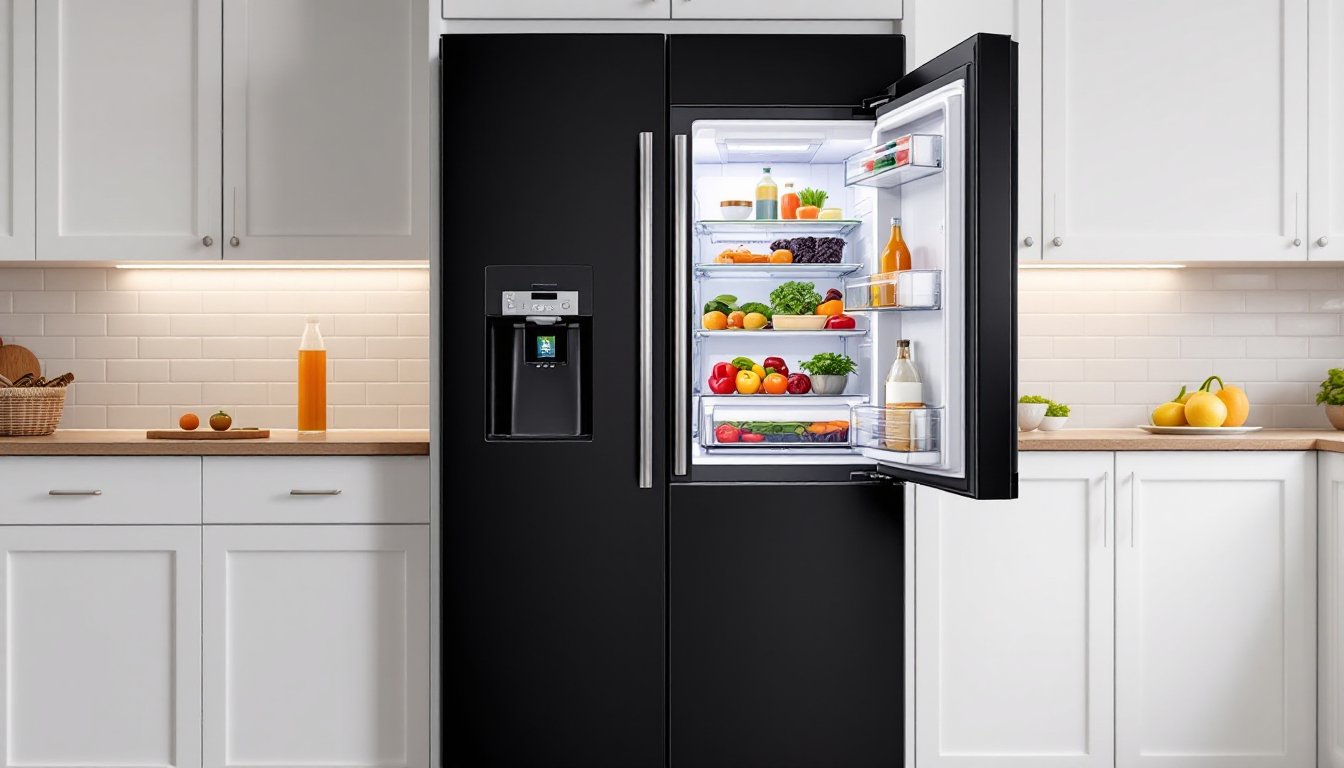
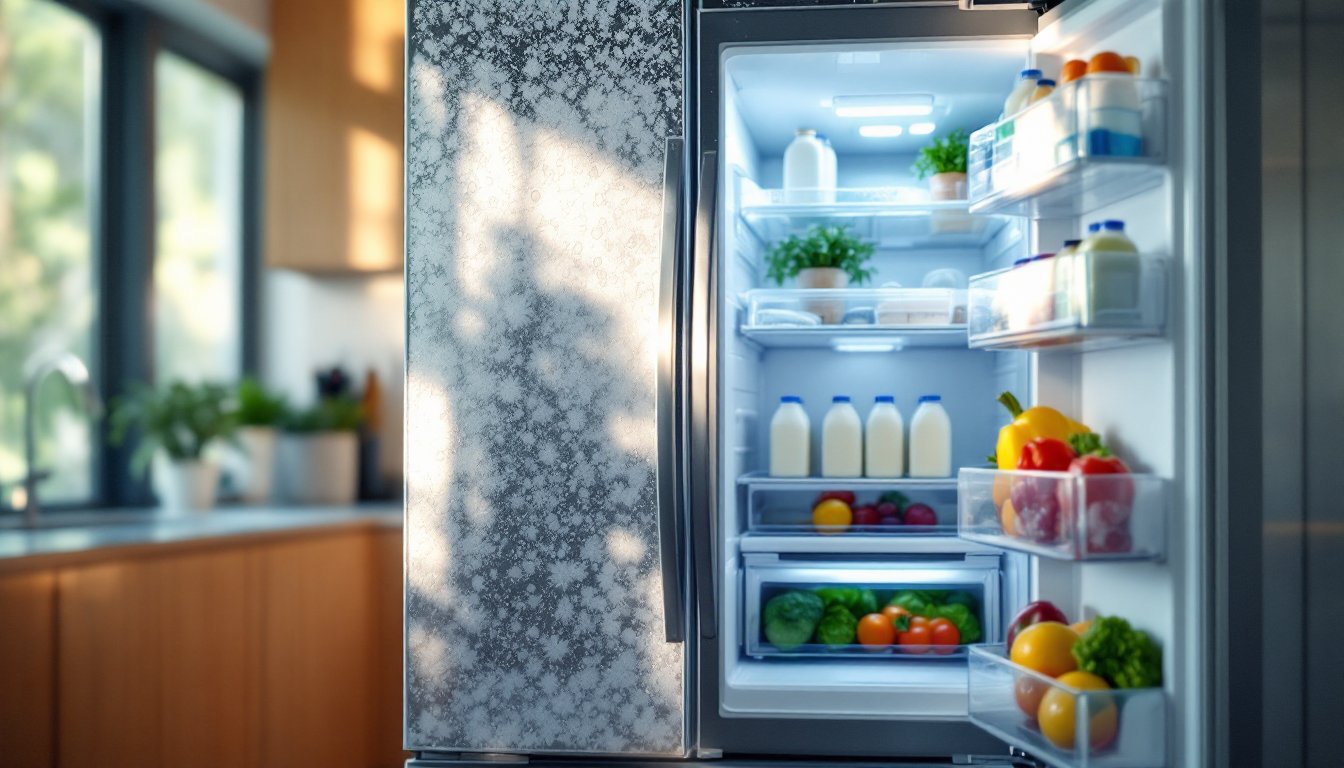
Your refrigerator’s keeping milk fresh, but the freezer won’t hold ice cream solid? That’s frustrating, but don’t panic yet. A freezer that refuses to freeze while the fridge compartment stays cold is usually fixable without calling a technician, sometimes in under an hour. The good news: this specific problem narrows down the culprits significantly. Instead of a dead compressor or failed refrigerant line (which would kill both compartments), you’re likely looking at a thermostat glitch, airflow blockage, or a faulty door seal. Understanding how your refrigerator divvies up cold air between the two sections will help you spot the issue fast and decide whether it’s a quick fix or time to bring in a pro.
Table of Contents
ToggleKey Takeaways
- When a refrigerator is working but the freezer isn’t freezing, the issue is usually in the distribution system rather than the main cooling components—thermostat glitches, airflow blockages, or faulty door seals are the most common culprits.
- Check your temperature control settings first: freezers should be set between 0°F and –10°F, and if the dial or digital control is set too low, simply adjusting it up and waiting 4–6 hours may solve the problem.
- Frost buildup inside the freezer compartment and clogged defrost drains can block cold air circulation; unplug the unit, melt visible ice with a hair dryer, and clear the drain with warm water to restore proper airflow.
- A loose or damaged door gasket allows cold air to escape and warm air to enter, so inspect the rubber seal for cracks or hardening and test it with the paper-pull method to confirm a tight fit.
- If basic troubleshooting—checking thermostat settings, clearing frost, and inspecting the door seal—doesn’t restore freezing within 24 hours, you likely need professional service to diagnose faulty internal components like a broken damper or failed thermostat sensor.
Understanding Your Refrigerator’s Cooling System
Most modern refrigerators use a single compressor and evaporator coil to produce cold air. That chilled air gets piped into both the freezer and fridge compartments via a damper (also called a vent or air control). The damper is basically a motorized door that opens or closes to direct more or less cold air to each section. When your freezer isn’t freezing but your fridge is cold, the system is producing cold, but something’s preventing it from reaching the freezer properly, or the freezer’s thermostat thinks it’s already cold enough.
The system relies on three main players: the compressor (makes the cold), the evaporator coil (where refrigerant chills the air), and the thermostat (tells the system when to stop running). If the compressor or coil failed completely, both compartments would go warm. Since your fridge works fine, you know the cooling source is intact. That means the problem is almost always in the distribution system or the thermostat that controls it.
The Thermostat: The Most Common Culprit
The thermostat is your first suspect. Every refrigerator has a temperature dial or digital control panel that lets you set your desired fridge and freezer temps. This control sends signals to a sensor that monitors the actual temperature inside the freezer compartment. If that sensor malfunctions or if the control board stops responding properly, the freezer won’t get the message to keep running, even though it should be freezing.
Check Your Temperature Control Settings
Before you suspect a broken thermostat, check the obvious: Is the dial or digital control actually turned up high enough? It sounds basic, but it happens. Someone bumps the dial down, a kid fiddles with the buttons, or a digital setting gets accidentally adjusted. Freezers typically need to be set between 0°F and –10°F for proper ice cream consistency and food safety. Fridges should sit around 35°F to 40°F. If your control is set way too low, say, toward “low” on a dial, or at 50°F on a digital unit, the compressor isn’t being triggered to run long enough. Dial it back up to a middle or higher setting and wait 4–6 hours to see if the freezer starts cooling again.
If the freezer is already set correctly and still won’t freeze, check whether your refrigerator has separate controls for the freezer and fridge. Some models have a single dial for both: others let you tweak each section independently. If your model has independent controls and the freezer dial is low, bump it up. If it’s already at max and the freezer’s still warm after 6 hours, the thermostat sensor or control board has likely failed and will need professional replacement.
Frost Buildup and Airflow Problems
Ice and frost buildup inside the freezer compartment, especially around the evaporator coil or the vents, can block cold air from circulating properly. This is sneaky because you might not see it right away, it’s often hidden behind the back wall or in the vent itself. When frost clogs the airflow, your fridge keeps cold but the freezer starves for chilled air.
Start by checking the air vents inside your freezer. Look at the back wall or the sides where you see small openings. If they’re crusted with ice, you’ve found your problem. Unplug the refrigerator and let it sit for a few hours, or use a hair dryer on a low setting to gently melt any visible frost. Once the ice melts, wipe everything dry with a clean cloth.
While the fridge is unplugged, check the defrost drain at the bottom of the unit (usually under the crisper drawers). This tiny drain prevents condensation from pooling inside the fridge and should stay clear. If it’s frozen or clogged, thaw it gently with warm water or a turkey baster filled with warm water. A blocked drain forces moisture to back up, which can refreeze and block vents. Plug the fridge back in and wait 12–24 hours to see if freezing resumes. If frost buildup keeps happening within days, your defrost cycle, an automatic heating period that prevents excessive frost, may be malfunctioning, and that’s a job for a technician.
Faulty Door Seals and Air Circulation Issues
A loose or damaged freezer door seal (gasket) lets cold air escape. Even a small gap means warm room air creeps in and the compressor has to work overtime to maintain temperature. If the seal is bad enough, your fridge compartment stays cold because it’s buffered by the freezer section, but the freezer itself can’t hold its temperature.
Inspect the rubber gasket that runs around the inside of the freezer door. Look for visible cracks, hardening, or separation from the frame. Close the door on a piece of paper, if you can pull the paper out easily without resistance, the seal isn’t tight. A gasket that’s just dusty or sticky can sometimes be cleaned: unplug the fridge, wipe the gasket with a damp cloth and mild soap, and let it dry completely. Retest with the paper.
If the gasket is visibly damaged or cleaning doesn’t help, you’ll need to replace it. Gaskets are usually held in with clips or adhesive and snap out from the door frame. Before ordering a replacement, find your refrigerator’s model number (on a label inside the fridge or on the back) and confirm the exact gasket part. Replacement gaskets typically run $50–$150 depending on model and source, and installation is straightforward, no special tools needed. If you’re not confident swapping it yourself, a technician can install one quickly, though you’ll pay a service call fee.
When to Call a Professional and Next Steps
If you’ve checked the thermostat setting, cleared frost buildup, confirmed the door seal is tight, and the freezer still won’t freeze after 24 hours at the correct temperature setting, you’re dealing with an internal component failure. A broken damper (the valve that directs cold air), a failed thermostat sensor, or a stuck compressor require professional diagnosis and repair.
Before you call, take note of your refrigerator’s age and the cost of repairs versus replacement. A 10+ year-old unit might not be worth fixing, new ENERGY STAR models offer better efficiency and often cost less over time than multiple repair bills. If your refrigerator is newer and a repair would cost under 50% of a new unit’s price, professional service usually makes sense.
When you contact a technician, mention exactly what you’ve already tested: “Freezer won’t freeze, fridge works fine, thermostat is set correctly, no visible frost blockage.” This helps them narrow down the problem before they arrive. Repair calls typically cost $100–$200 for the service visit plus parts and labor for the actual fix, often another $150–$400 depending on what needs replacing. Some refrigerator manufacturers offer warranty coverage on compressors or sealed systems for 5–10 years, so check your paperwork or the maker’s website if your unit is fairly new. You can also consult sites like Good Housekeeping for tested appliance recommendations if you’re leaning toward replacement, or browse The Kitchn for kitchen appliance reviews and buying guides.
Conclusion
A freezer that won’t freeze while the fridge stays cold is almost always fixable with some basic troubleshooting. Start by checking your thermostat setting and clearing any frost blockages. Inspect the door seal next. Most homeowners solve the problem in under an hour without calling anyone. If those steps don’t work, it’s time for a professional, but you’ve already ruled out the expensive stuff and narrowed down the diagnosis, which saves time and frustration.