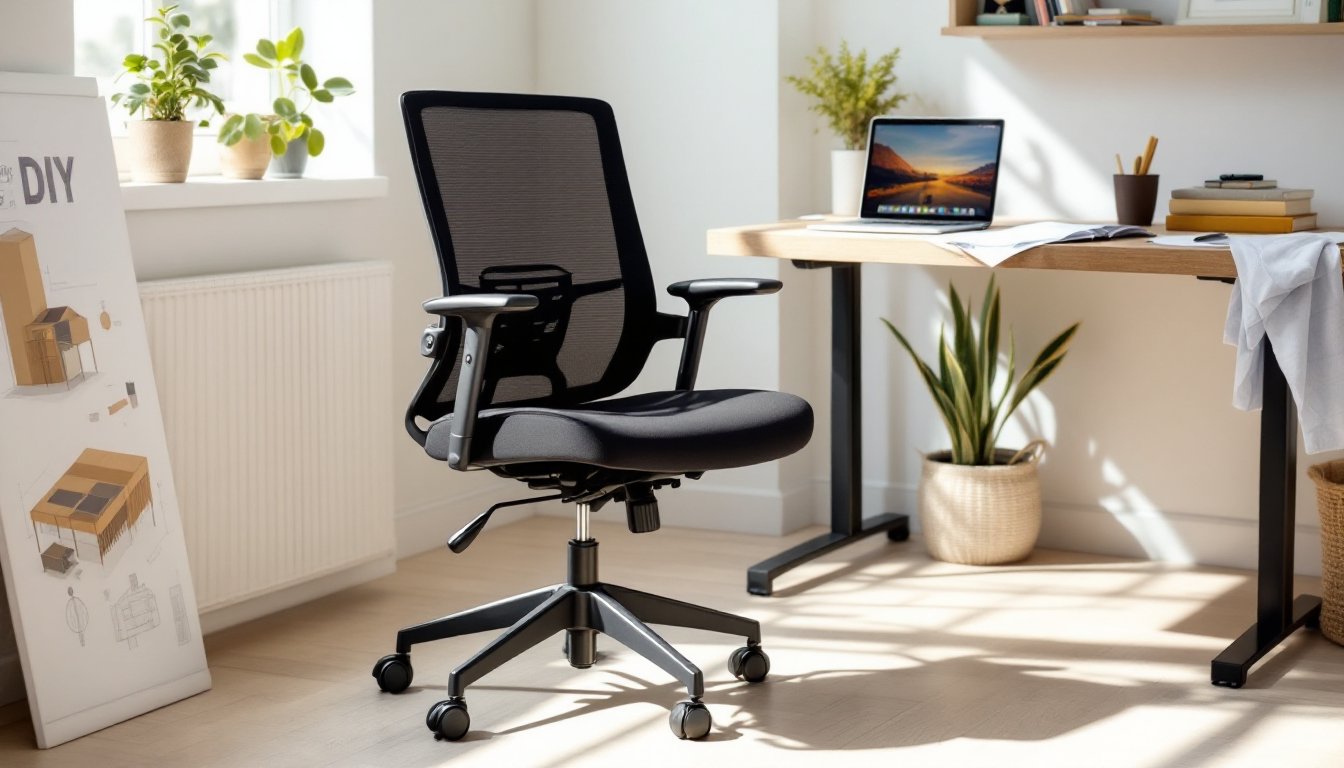
If you’re a DIY enthusiast who spends hours planning renovations, sketching designs, or managing home improvement projects from your desk, your office setup matters just as much as your power tools. The Sihoo M18 ergonomic office chair has become a practical choice for homeowners who want to reduce back strain during long work sessions without compromising their budget. Unlike trendy designer pieces that look good but don’t deliver, the M18 balances real ergonomic support with the straightforward features that DIYers actually use. Whether you’re researching your next project, managing materials lists, or video-calling contractors, sitting in an uncomfortable chair compounds fatigue and kills productivity. This guide walks through what makes the M18 tick and whether it’s the right fit for your home office investment.
Table of Contents
ToggleKey Takeaways
- The Sihoo M18 ergonomic office chair balances practical support with a mid-range price ($200–$300), making it ideal for DIYers and remote workers who need comfort without premium features.
- Integrated lumbar support, mesh back ventilation, and adjustable armrests provide eight-hour workday comfort while keeping the chair simple and reliable with manual controls only.
- Proper setup in the first 10 minutes—adjusting seat height for 90-degree knees, aligning armrests with your desk, and dialing in lumbar curve—is key to reducing back strain and boosting productivity.
- The M18’s 300-pound weight capacity and compact 26-inch width fit standard doorways and cramped home offices, though users over 6’2″ or below 5’2″ may find height limitations restrictive.
- Most users report improved posture and reduced back soreness within the first week, though the mesh back requires a lumbar pillow in cold environments and will show wear after two years of daily use.
What Makes the Sihoo M18 Stand Out for Home Office Setups
The Sihoo M18 fills a specific niche: mid-range ergonomic support without the premium price tag of gaming chairs or executive models that drain your budget for features you don’t need. For DIY professionals working from home, that matters. The chair uses a high-density mesh back paired with a cushioned seat, which keeps air flowing during summer and provides enough padding for eight-hour workdays. The tilt mechanism allows the backrest to recline from 90 to 130 degrees, giving you flexibility to shift positions without reaching for a second chair.
What sets it apart is simplicity. The M18 doesn’t bombard you with unnecessary bells, no built-in speakers, no LED lights, no automated adjustments. Instead, you get manual controls: seat height, tilt tension, and armrest positioning. For someone who values function over flash, that’s a strength. The chair has a weight capacity of 300 pounds and fits standard doorways, which means it works in cramped home office corners just as well as dedicated den spaces. The base uses a five-star wheelset with smooth-rolling casters suitable for hardwood and carpet alike.
Key Ergonomic Features That Support Long Work Sessions
Design and Build Quality
The M18’s backbone is a reinforced nylon frame with a steel base that won’t wobble when you lean back. The lumbar support isn’t a foam insert, it’s an integrated adjustment system built into the backrest, allowing you to dial in the curve that fits your spine. Most DIYers with desk jobs know the difference: a chair that supports your lower back lets you work for six hours straight: one that doesn’t sends you reaching for ibuprofen by hour three.
The seat height adjusts using a standard pneumatic cylinder (the same mechanism in most office chairs) and ranges from 17.5 to 21 inches, which suits users between 5’2″ and 6’2″. The footrest is fixed, not adjustable, but for most desk work, your feet rest on the floor anyway. The armrests pivot and slide forward and back, so you can tuck them under your desk or extend them for breaks. This flexibility matters if you’re comparing chairs and noticing that some models have permanently welded arms that get in the way.
The build quality reflects its price point. The mesh material is durable but not automotive-grade upholstery: it will show wear after two years of daily use. The stitching is clean, and bolts are recessed (not exposed), so you won’t snag clothing. Assembly takes roughly 45 minutes with a power drill and the included hex wrench, nothing complex, but you’ll need a clear floor space and patience with the pneumatic lift insertion.
Comfort Elements That DIY Home Office Builders Appreciate
Comfort in an office chair isn’t one thing, it’s the sum of small details. The M18’s high-density foam seat cushion is firm enough to prevent sagging after a year but soft enough that you’re not perched on a plank. The depth is standard (about 20 inches), which means the edge of the seat won’t cut into the back of your thighs during long sessions. The backrest tilts independently of the seat, so you can support your back without forcing your legs upward at an awkward angle.
The mesh back breathes. If you live somewhere hot or you run warm, this matters more than marketing copy suggests. Fabric backs trap body heat and sweat: mesh allows air circulation. On the flip side, if your office is chilly, the open mesh doesn’t insulate the way padded backs do. Some users pair it with a small lumbar pillow or back pad in winter, which takes 30 seconds to clip on or remove.
The tilt tension knob is placed on the left side of the seat base, easy to reach without standing. You can dial in how much resistance you feel when you recline, which prevents that uncomfortable feeling of the chair suddenly dumping you backward. The synchronized tilt mechanism means the backrest and seat move together at a fixed ratio, which keeps your pelvis and spine aligned during reclines. Recent home design inspiration resources emphasize ergonomic seating as part of a complete workspace setup, and the M18 delivers on that principle without the hassle of motorized adjustments.
Setting Up and Customizing Your Sihoo M18 for Your Space
Out of the box, the M18 arrives in a compact box roughly 30 × 24 × 12 inches. You’ll unpack the base, seat, backrest, armrests, and all hardware in separate bags. Assembly order matters: install the base first, thread the pneumatic lift through the base, attach the seat pan, then bolt on the backrest and armrests. Don’t skip tightening the bolts, a loose base will develop a creaking noise within weeks.
Once assembled, spend 10 minutes adjusting before you commit to your first work session. Seat height should place your feet flat on the floor with your knees at a 90-degree angle. If your desk is 30 inches tall (standard), and you’re 5’10”, you’ll likely need the chair at its mid-range height. Armrests should align with your desk surface, allowing your elbows to bend at roughly 90 degrees with your shoulders relaxed. The lumbar curve should support the natural inward bend of your lower spine, not push you into a rigid posture.
The casters glide smoothly on hard floors but can drag slightly on thick carpet. If you’re on carpet, consider a low-pile office mat (roughly 36 × 48 inches) to reduce friction and protect your floor. Customization options are limited compared to high-end ergonomic chairs, you can’t swap the mesh for leather, and the color options are black, gray, or dark blue, but that’s typical for this price range. Several design-forward furniture reviews highlight the M18 for its neutral appearance, which means it won’t clash with minimalist or modern home office aesthetics.
Is the Sihoo M18 Right for Your Home Office Investment
The M18 makes sense if you work from home four or more days per week and want to reduce fatigue without spending $800+ on a premium ergonomic model. It’s honest equipment, not overhyped, not underdone. For homeowners managing DIY projects while maintaining a remote job, the chair’s simplicity is an advantage. No motorized features means no plastic gears to break, no electronic components to fail, and no complicated warranty claims if something snaps.
Where the M18 falls short: if you’re over 6’2″ or below 5’2″, you may find the range limiting. If you have chronic back pain or a diagnosed condition, consult a physical therapist or spine specialist before buying any office chair, the M18 provides support, but it’s not a medical device. If you move between your desk and other workspaces frequently, the chair’s size (about 26 inches wide and 40 inches tall) means it takes floor real estate: it’s not a portable option. Recent home appliance and furniture testing reviews stress the importance of trying chairs before committing, so if possible, test the M18 at a local supplier or order from a retailer with a solid return policy.
For the price (typically $200–$300 depending on sales), the M18 performs. It won’t feel luxurious, but it won’t betray you during a long day of work either. Most DIYers report improved posture and less back soreness within the first week of use, which translates to more focused project planning and better decision-making.
Conclusion
The Sihoo M18 ergonomic office chair delivers straightforward support for home office professionals who value function over frills. It won’t revolutionize your workspace, but it will eliminate one source of daily discomfort. For DIY enthusiasts and remote workers who spend significant time at their desk, that’s a practical investment. Pair it with good lighting, an adjustable desk, and proper keyboard positioning, and you’ve built a foundation that supports both long-term comfort and sustained productivity.