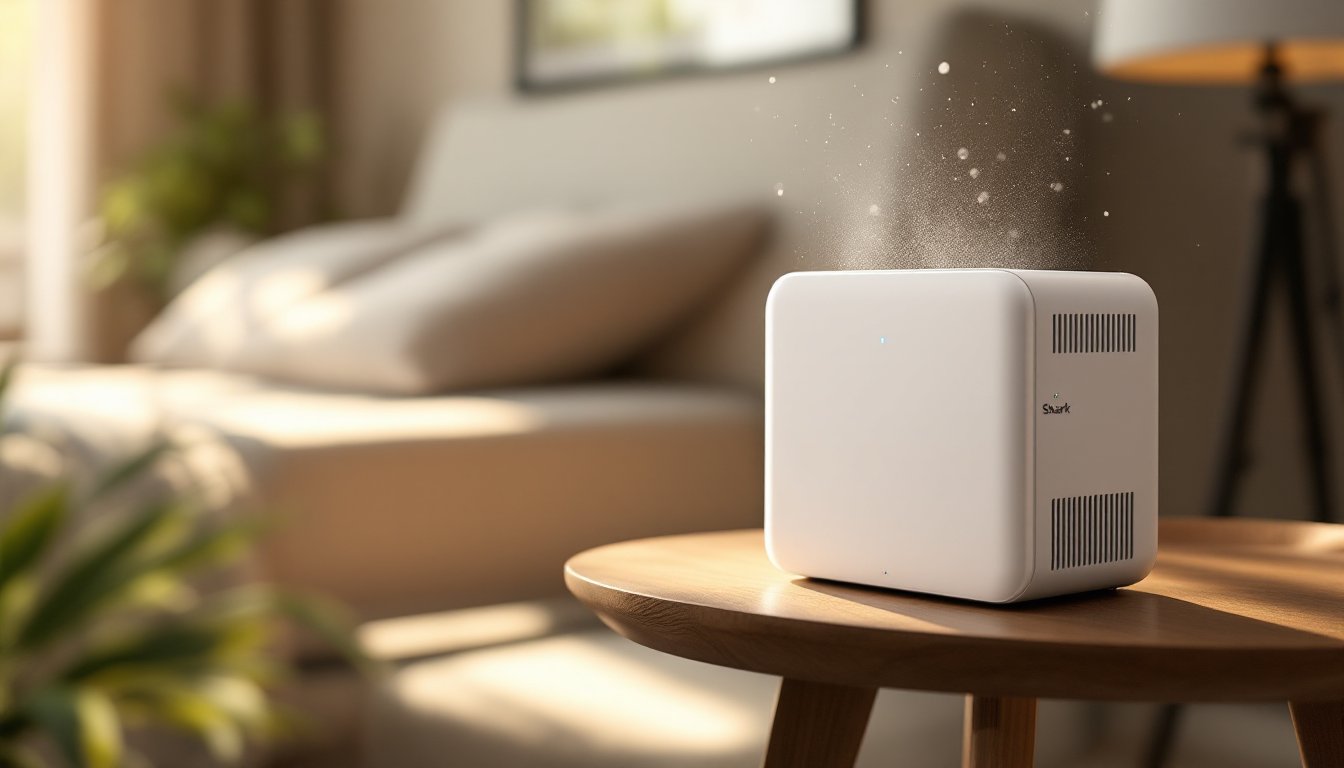
If you’ve noticed dust settling on shelves faster than you’d like, or if anyone in your home suffers from allergies or asthma, the Shark 3 in 1 Air Purifier might be worth a closer look. Indoor air quality often takes a backseat in home improvement conversations, but it’s one of the most practical upgrades a homeowner can make. This guide walks you through what the Shark 3 in 1 does, how it fits into your space, and whether it’s the right investment for your home.
Table of Contents
ToggleKey Takeaways
- The Shark 3 in 1 Air Purifier combines true HEPA filtration, activated carbon filtering, and ionization to remove 99.97% of airborne particles as small as 0.3 microns, making it effective for dust, pollen, and odors.
- With a coverage area of approximately 500 square feet, the unit achieves four to five complete air changes per hour on high speed in typical bedrooms, with results visible within two to four weeks.
- Strategic placement at least 12 inches from walls and slightly elevated off the floor is critical for maximum efficiency and improved air circulation throughout your home.
- Maintenance is minimal and affordable: budget $60–100 annually for filter replacements and monthly pre-filter cleaning to extend the life of your HEPA filter and maintain performance.
- For households with allergies, asthma, or pets, the Shark 3 in 1 offers measurable improvements in sleep quality and reduced allergy symptoms, with a five-year cost of ownership around $600–800.
What Is the Shark 3 in 1 Air Purifier and How Does It Work
The Shark 3 in 1 Air Purifier combines three air-cleaning functions in one compact unit: true HEPA filtration, activated carbon filtering, and ionization. Unlike cosmetic home projects, air purification is a functional upgrade that runs continuously, so understanding what you’re buying matters.
Key Features and Purification Technology
The three-stage filtration system works sequentially. First, the pre-filter catches larger particles like dust and pet hair. Next, the HEPA filter (High-Efficiency Particulate Air) removes 99.97% of airborne particles as small as 0.3 microns, think pollen, mold spores, and fine dust. Finally, the activated carbon filter absorbs odors and volatile organic compounds (VOCs) from paint, cleaning products, or cooking.
The ionization feature releases negatively charged ions into the air, which attach to positively charged particles and cause them to settle faster. Some homeowners notice a subtle ozone smell initially: this fades within a few hours as the unit operates.
Coverage area is typically around 500 square feet in one cycle, though real-world performance depends on room layout, open doorways, and fan speed. Running it on high speed cleans a single room faster: running it on low is quieter but slower. Most units include a CADR rating (Clean Air Delivery Rate), which tells you how many cubic feet per minute of clean air the unit delivers for smoke, dust, and pollen.
Why Indoor Air Quality Matters for Your Home
Homeowners spend roughly 90% of their time indoors, and indoor air is often two to five times more polluted than outdoor air. Common culprits include dust mites, pet dander, mold spores, volatile organic compounds from new materials, and fine particulate matter (PM2.5) from cooking or outside air entering through windows.
If anyone in your household has allergies, asthma, or respiratory sensitivity, poor air quality directly affects their comfort and sleep. Even without diagnosed allergies, cleaner air reduces dust buildup on surfaces, which means less frequent dusting and fewer particles settling on furniture and bedding.
Based on independent research from reputable sources, homes with air purification see measurable improvements in dust accumulation and reported symptoms within two to four weeks. A unit like the Shark 3 in 1 runs quietly enough for bedrooms or living rooms, making it practical for real daily life rather than just peak cleaning sessions.
Performance and Coverage Area Breakdown
The Shark 3 in 1 is rated for rooms up to about 500 square feet with continuous operation on high speed. In a typical bedroom (12×14 feet, roughly 168 square feet), the unit achieves near-complete air changes about four to five times per hour on high, meaning air cycles through the filters every 12–15 minutes.
Real-world performance varies. Closed rooms with few doorways see faster purification: open-concept spaces or homes where doors remain open show slower results because clean air mixes with uncleaned air from adjacent areas. If your bedroom door is open to a hallway, the unit works harder and takes longer to reach peak efficiency.
For larger homes, running the unit in the bedroom at night and moving it to the living area during the day works well. Some homeowners place it centrally near a staircase to improve air circulation throughout multiple floors, though efficiency drops in spaces beyond the rated coverage area.
Fan noise runs between 25 dB on low (barely audible) and 65 dB on high (comparable to a vacuum cleaner). Most users find low or medium speed acceptable for all-day operation: high speed is useful for quick purification before sleeping or when someone in the home is particularly sensitive.
Installation and Setup Tips for Maximum Efficiency
Setup is straightforward, unbox, insert the filter pack, plug in, and turn on. No hardwiring or installation permits are needed. But, positioning matters significantly for performance.
Place the unit at least 12 inches away from walls and furniture. If you tuck it into a corner or against a sofa, it will pull air in one direction and reduce overall coverage. Central placement in the room, elevated slightly off the floor (on a side table or stand), improves air circulation through the intake vents.
Check that intake vents on the sides and back aren’t obstructed. Dust and pet hair will accumulate on the pre-filter, so cleaning the exterior vents monthly (with a dry cloth or soft brush) extends filter life and maintains suction.
Think of it like installing a ductless mini-split or any appliance, initial placement is permanent for most people, so spend five minutes positioning it before permanently setting it down. If air quality seems poor after a week or two, moving the unit slightly away from walls or closer to a source of odor (kitchen) often improves results.
Electricity draw is minimal, typically 40–50 watts on low, 70–100 watts on high, similar to a desk lamp. No dedicated circuit breaker is required: a standard outlet works fine.
Maintenance and Filter Replacement Schedule
Filter life depends on air quality and usage. In a home with pets or smokers, filters may need replacement every 2–3 months. In a cleaner environment with intermittent use, they can last 6–8 months. Most units have a filter replacement indicator light that signals when it’s time to swap.
Replacement filters are a consumable cost, typically $30–60 for a HEPA + carbon combo pack, depending on where you source them. Budget this into your annual home operating costs, similar to furnace filter changes. Some people buy replacement filters in bulk during sales to reduce per-unit cost.
Cleaning the pre-filter extends HEPA filter life. Once a month, vacuum or rinse the washable pre-filter (check your unit’s manual) and let it dry completely before reinstalling. This prevents pet hair and large particles from clogging the HEPA filter prematurely.
The unit itself needs minimal cleaning. Wipe the exterior housing with a dry cloth every couple of months. Do not spray cleaners or water directly on the device. If the outlet or power cord shows damage, unplug immediately and replace the unit, don’t attempt repairs.
Is It Worth the Investment for Your Home
Upfront cost ranges from $200–500 depending on the specific Shark model and where you buy it. Add annual filter replacement costs ($60–100 per year) and modest electricity (about $10–15 per year if running 12 hours daily). Over five years, total cost of ownership is roughly $600–800.
For households with allergies, pets, or asthma, the payoff is measurable: better sleep, fewer allergy symptoms, and reduced need for dusting and vacuuming. If you live near a highway or in an area with poor outdoor air quality, or if you cook frequently and dislike lingering food odors, the unit pays for itself in comfort.
For a household with no respiratory issues and good baseline air quality, a smaller or less expensive unit might suffice. But if you’re planning to stay in your home for several years and want to improve overall quality of life without undertaking a renovation project, an air purifier is one of the highest-value home improvements available.
Before committing, consider whether you have space on a nightstand or side table and whether you can tolerate the gentle hum of the fan. If both are acceptable, the Shark 3 in 1 is a solid, practical addition that handles a genuine home problem without requiring carpentry, permits, or professional installation.